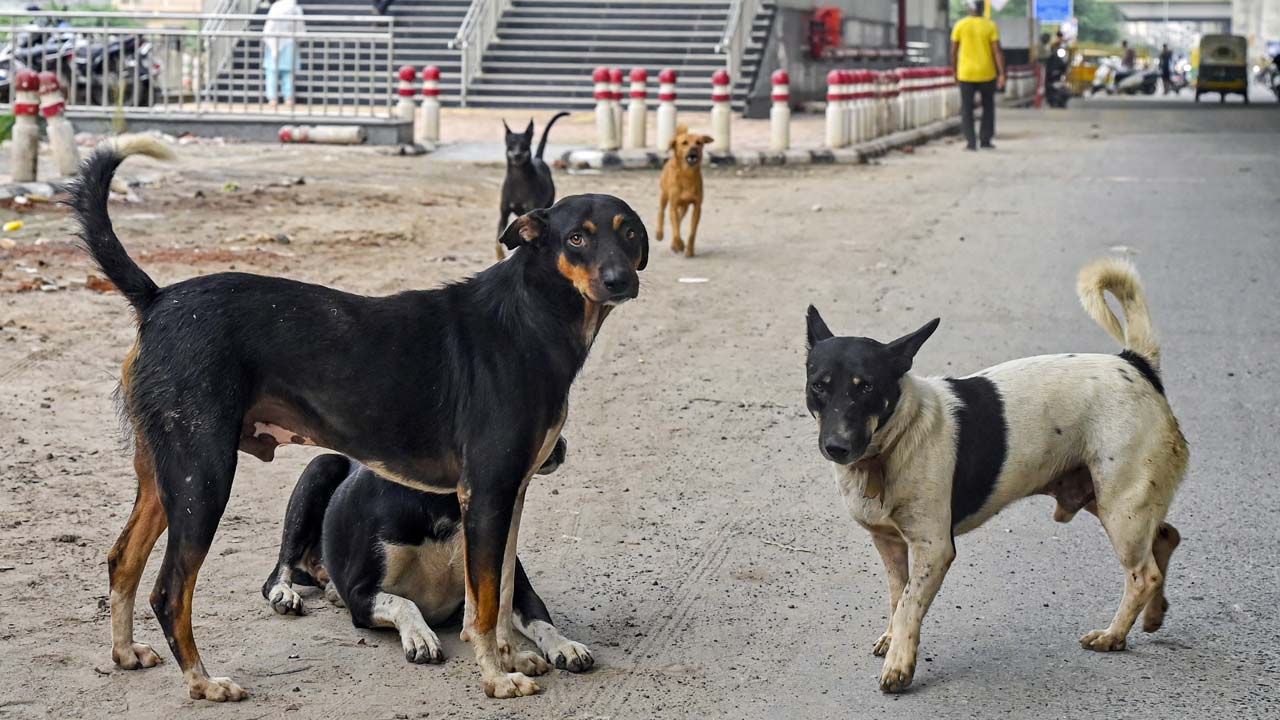
The recent Supreme Court discussions on removing stray dogs from the streets of Delhi-NCR have thrown light on a sensitive and often misunderstood issue. While many see these dogs merely as strays, their role in the city’s ecosystem and community life runs far deeper. In fact, community dogs contribute more to safety, cleanliness, and balance than most of us acknowledge.
Here are ten powerful reasons why Delhi’s street dogs are not just companions but guardians of the city:
1. Natural Security Guards
Stray dogs instinctively protect the areas they live in. At night, their barking often alerts residents to intruders, offering a natural security system that no camera or guard can truly replicate. Without them, many neighborhoods could become more vulnerable.
2. Quick Responders to Trouble
Living so close to humans makes these dogs extremely alert to disturbances. Whether it’s the sound of a quarrel, a fire, or suspicious activity, their loud response often mobilizes nearby residents faster than any official alarm.
3. Controlling the Rodent Menace
Delhi has long battled rodent infestations that harm food supplies and spread diseases. Stray dogs play a silent yet critical role in keeping these pests at bay by hunting and deterring them, especially around garbage dumps.
4. Keeping Monkeys in Check
In certain parts of Delhi, monkeys trespass rooftops, farmlands, and even homes. Street dogs often act as the first line of defense against these aggressive intrusions, preventing worse encounters and damage.
5. Reduced Bite Risks Through Familiarity
Contrary to popular belief, stable dog populations are far less aggressive. When dogs remain in their locality, they become familiar with residents and vice versa, reducing the chances of bites. Relocating them, however, creates confusion and unpredictability.
6. Watchdogs of Public Spaces
Parking lots, marketplaces, and local parks are watched over by these community dogs. Their presence discourages miscreants and keeps the environment more secure, something shopkeepers and night workers often count on.
7. Building Community Bonds
Feeding and caring for local dogs nurtures empathy and cooperation among residents. These shared actions make neighborhoods more connected, leading to greater collective vigilance and safety.
8. Early Warning Against Disease
Street dogs act like natural sentinels. A sudden increase in canine illness or deaths can often flag larger issues such as rabies outbreaks or environmental hazards, enabling quicker intervention.
9. Helping With Waste Control
Though not a replacement for municipal work, stray dogs consume leftover food in open areas. This reduces exposed waste, prevents pest build-ups, and indirectly helps neighborhoods stay cleaner until garbage collection arrives.
10. Balancing the City’s Ecosystem
Delhi’s ecosystem has adapted around its street dogs. Removing them would open space for other animals—rats, pigs, even monkeys—to dominate, creating bigger health and safety challenges. Dogs maintain an important balance in this urban web of life.
Community dogs are not the nuisance they are often perceived to be. On the contrary, they form an integral, self-sustaining part of Delhi’s safety net and ecosystem balance. Instead of displacement, managing them through vaccination, sterilization, and responsible community care could make the city healthier and safer for both people and animals.