Are Instant Delivery Apps Costing More Than You Realize? The Hidden Price of “5-Minute” Convenience

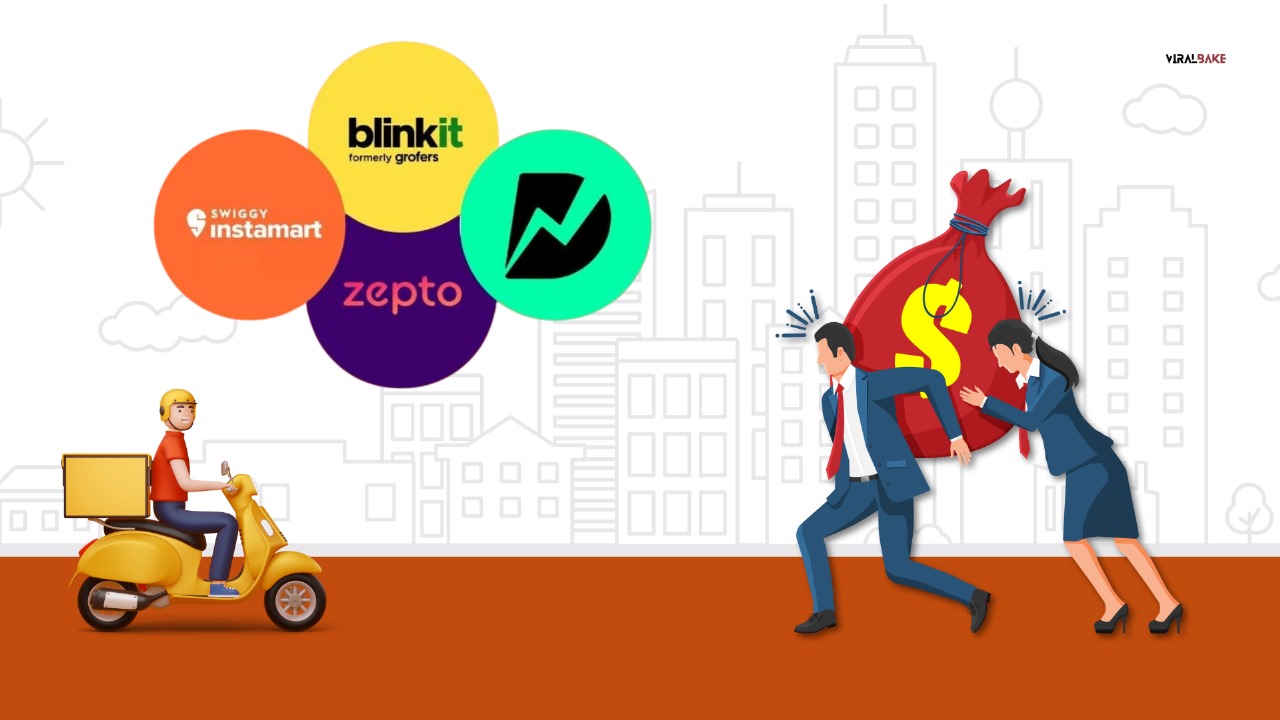
Instant grocery and food delivery apps like Blinkit, Swiggy, Zepto, and Instamart have revolutionised the way essentials reach our doorsteps within minutes, promising unmatched speed and convenience. With a few taps, groceries, milk, bread, daily staples, and snacks arrive at home, saving time and effort. However, this ease comes with subtle costs that may be burning a deeper hole in the wallet than most realise.
Recent months have seen growing concern about the parade of extra fees quietly tacked on to nearly every order—handling fees, platform charges, surge fees during high demand or rain, and hidden product markups. Each added cost seems minimal at checkout, but the cumulative effect over weeks and months can be substantial.
Understanding Fees and Hidden Charges
Every order on these platforms typically includes a handling charge, usually between ₹5 and ₹15, and a platform or convenience fee ranging from ₹2 to ₹5 per order. Then there are peak-hour surcharges or rain-related fees that may add another ₹10 to ₹30, especially in the evenings or during weekends when demand spikes. Product prices themselves are often inflated compared to local shops—an item sold for ₹8 in-store might cost ₹12–₹15 on the app, discounts included.
An analysis reveals the potential yearly financial impact on frequent users. Assume someone places about 20 orders each month—handling, platform, and surge fees alone can add up to ₹400–₹600 monthly. When factoring in inflated product prices and occasional packaging charges, it’s not unusual for the annual cost to exceed ₹10,000—enough to buy a new smartphone or fund a full year’s streaming subscription.
- Handling Charge: ₹5–₹15 per order
- Platform/Convenience Fee: ₹2–₹5 per order
- Surge/Rain Fee: ₹10–₹30 during peak times or bad weather
- Product Price Markup: Typically 8–20% higher than local markets
- Minimum Order Strategies: Some apps require a minimum spend for “free” delivery, prompting unnecessary purchases
Discounts and coupons often appear attractive, such as ₹50 off on a ₹200 order, but are sometimes offset by increased product prices or added fees, negating much of the intended savings. After customers become accustomed to the speed and comfort of instant delivery, regular discounts tend to shrink while extra charges swell.
Smart Choices: Is Convenience Worth the Price?
While instant delivery apps offer genuine utility in emergencies or when pressed for time, relying on them for every small necessity can quickly erode monthly savings. Small fees accumulated across frequent purchases create a larger financial drain, often unnoticed amid the promise of “fast and easy” doorstep shopping.
The healthiest financial habit is to reserve these services for truly urgent needs. Planning ahead and shopping from local stores remains the more economical choice for most routine groceries and supplies. Recognizing the subtle monetization tactics behind convenience delivery apps can empower better daily decisions—and help protect long-term savings.