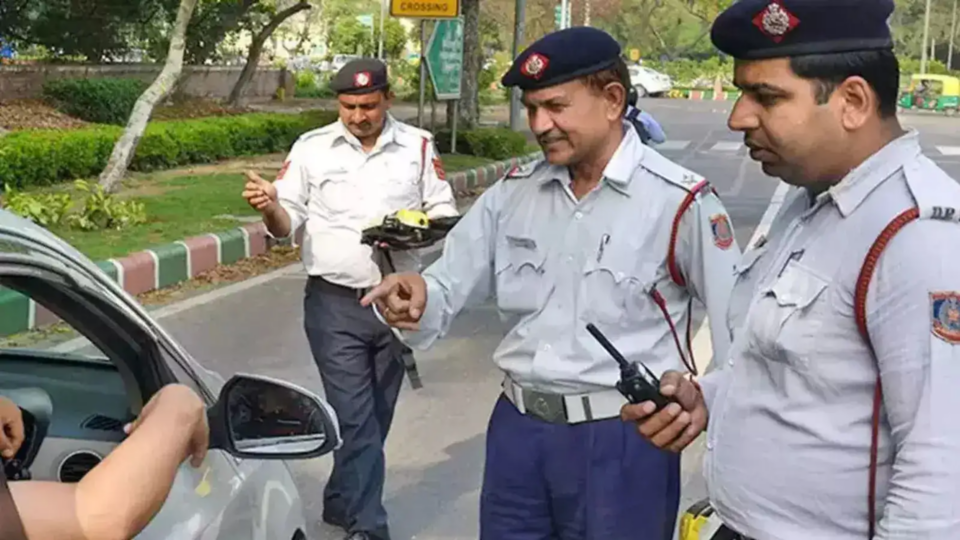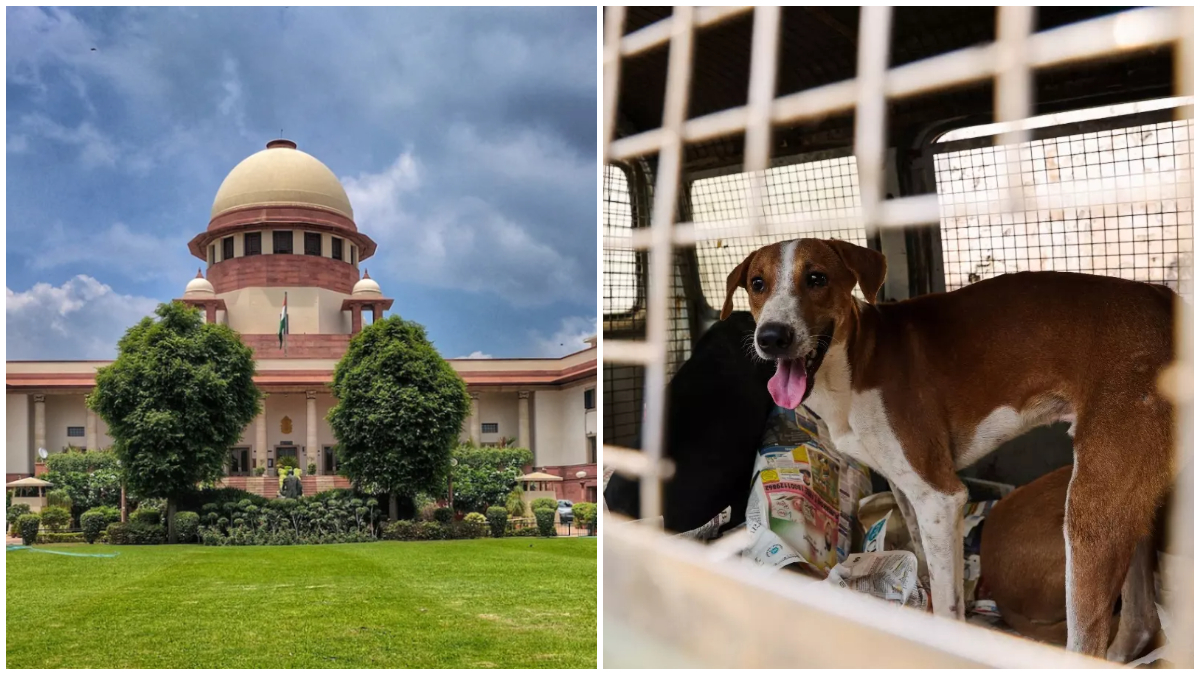
The ongoing challenge of stray dogs in India, particularly in the Delhi-NCR region, has come under the spotlight following a controversial Supreme Court order directing the removal of all stray dogs from the streets and placing them in shelters. In response, the Central government has clarified that tackling the issue primarily falls under the responsibilities of state governments and local municipal bodies.
Responsibility and Guidelines for Stray Dog Control
The Ministry of Fisheries, Animal Husbandry & Dairying emphasized that state governments, along with local authorities, are tasked with managing stray dog-related concerns. To guide this process, the Centre introduced the Animal Birth Control (ABC) Rules in 2023 under the Prevention of Cruelty to Animals Act, 1960. These rules promote a humane approach to managing the street dog population, following internationally recognized standards known as Capture–Neuter–Vaccinate–Release (CNVR).
According to these regulations, local bodies must actively conduct sterilization and vaccination drives in partnership with animal welfare organizations. The ministry pointed out that Urban Local Bodies are already engaged in ongoing sterilization programs, supported by official advisories sent to relevant state officials.
Further reinforcing this strategy, a July 2025 advisory from the Ministry of Housing and Urban Affairs, the Ministry of Panchayati Raj, and the Department of Animal Husbandry urged local authorities to establish dedicated Animal Birth Control units and scale up sterilization efforts, with a suggested target of sterilizing at least 70% of the stray dog population.
Support and Funding for Animal Welfare Efforts
The government has updated its Scheme for Birth Control and Immunization of stray dogs and cats, which is now implemented by the Animal Welfare Board of India (AWBI). As per the 2023 ABC Rules, financial aid is available to local bodies and animal welfare groups — for example, up to ₹800 per dog and ₹600 per cat to conduct sterilization programs.
To bolster infrastructure, state-run veterinary hospitals can receive a one-time grant of ₹2 crore for developing facilities like surgical theaters and recovery centers. In addition, the AWBI provides funds to support the creation of small and large animal shelters with grants up to ₹15 lakh and ₹27 lakh, respectively.
The Supreme Court’s August 11 directive specifically ordered that all areas in Delhi, Noida, Ghaziabad, Gurugram, and Faridabad must be cleared of street dogs. The Court was clear that no captured dogs should be released back onto the streets, underlining the gravity of the issue.
However, on August 14, the Supreme Court reserved its judgment on petitions seeking to stay this removal order. A three-judge bench stated it would consider issuing an interim ruling on the earlier directive.
In summary, while the Supreme Court weighs its next move, the government reaffirms that effective and humane management of stray dogs depends on state governments and local bodies implementing sterilization and vaccination under the framework of the Animal Birth Control Rules, supported by financial and infrastructural aid.