The fight against air pollution in Delhi is set to enter a new phase as the city implements strict measures targeting high-emission commercial vehicles. As the capital braces for its annual smog season, authorities are taking decisive steps to improve air quality and protect public health.
New Rules for Commercial Vehicles Entering Delhi
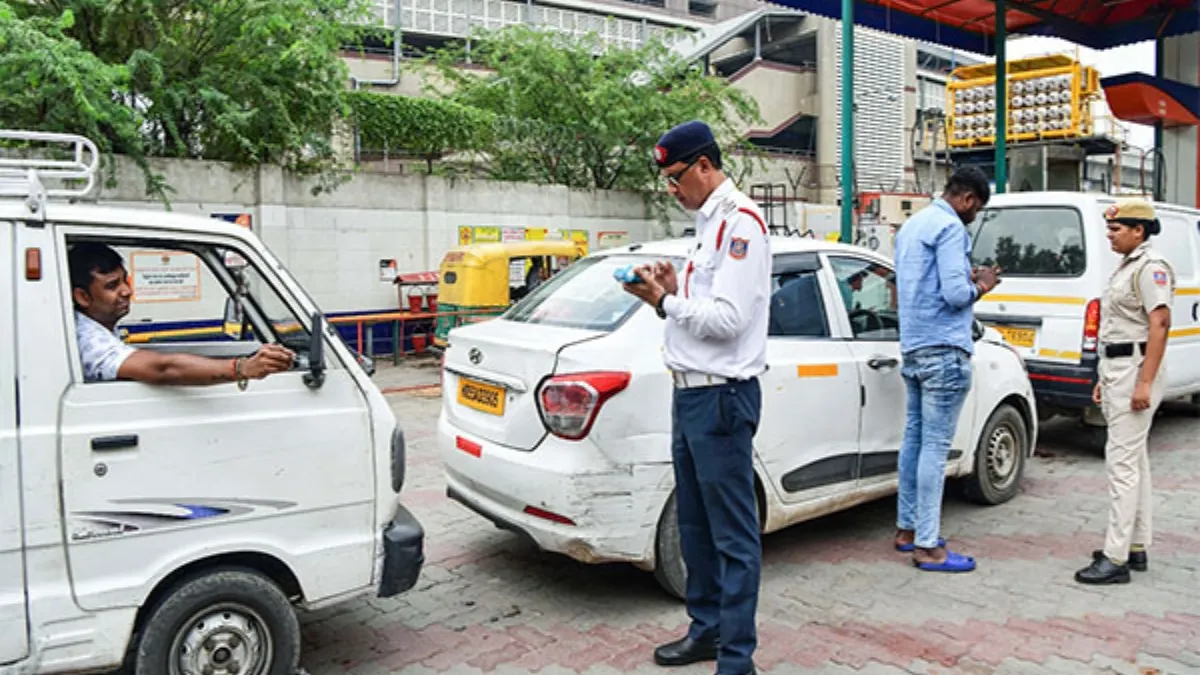
Starting November 1, all commercial goods vehicles registered outside Delhi must comply with the Bharat Stage VI (BS-VI) emission standards to enter the city. The new guidelines exclude vehicles that do not meet these stringent norms, marking a significant move to cut pollution from the transport sector.
- Commercial vehicles from outside Delhi that don’t meet BS-VI standards are barred entry from November 1.
- As a temporary relief, BS-IV commercial vehicles will be permitted until October 31, 2026, to allow transporters time to adapt.
- Delhi-registered commercial trucks and those meeting BS-IV or BS-VI standards can continue operating until the end of October 2026 without restrictions.
- These measures have been introduced by the Commission for Air Quality Management (CAQM) in direct response to the city’s deteriorating air quality.
Transporters’ Concerns and Responses
The announcement has sparked debate among those in the transport industry, with many seeking further extensions to the grace period for BS-IV vehicles. Key points include:
- The All India Motor and Goods Transport Association is considering a meeting to evaluate its options, with some members hinting at the possibility of taking legal action if stricter bans are enforced after the transition period.
- There is hope within the industry that authorities may extend the current relaxation for BS-IV-compliant trucks to ease the economic and logistical challenges faced by transporters.
Understanding BS-VI Compliance
The BS-VI standards represent India’s strictest emission regulations for vehicles, comparable to European Union’s Euro-6 norms. These rules aim to dramatically reduce harmful emissions and bring cleaner vehicles to Indian roads.
- BS-VI vehicles produce up to 80% less particulate matter than BS-IV counterparts.
- The new fuel required for BS-VI vehicles contains significantly lower sulphur levels.
- Manufacturers must install advanced emissions-control systems such as on-board diagnostics, diesel particulate filters, and selective catalytic reduction systems in vehicles to meet these standards.
Innovative Steps: The Cloud Seeding Experiment
Beyond restricting vehicle emissions, Delhi is preparing to experiment with cloud seeding—a process intended to trigger artificial rain to help clear the air. City officials have indicated that, weather permitting, the first such trial may take place soon. If successful, this could offer short-term relief from the persistent smog that blankets the city each winter.
- A cloud seeding aircraft is scheduled to arrive from Kanpur, with the trial expected as soon as conditions are right.
- Officials are closely monitoring the weather and could initiate Delhi’s first artificial rain on October 29, provided conditions remain favourable.
As Delhi rolls out stricter vehicle entry norms and looks to science for innovative pollution control, these developments mark a determined effort to tackle one of the city’s most persistent and dangerous challenges: poor air quality. Residents and transport operators alike will be watching closely as the city navigates the transition toward cleaner, safer air.