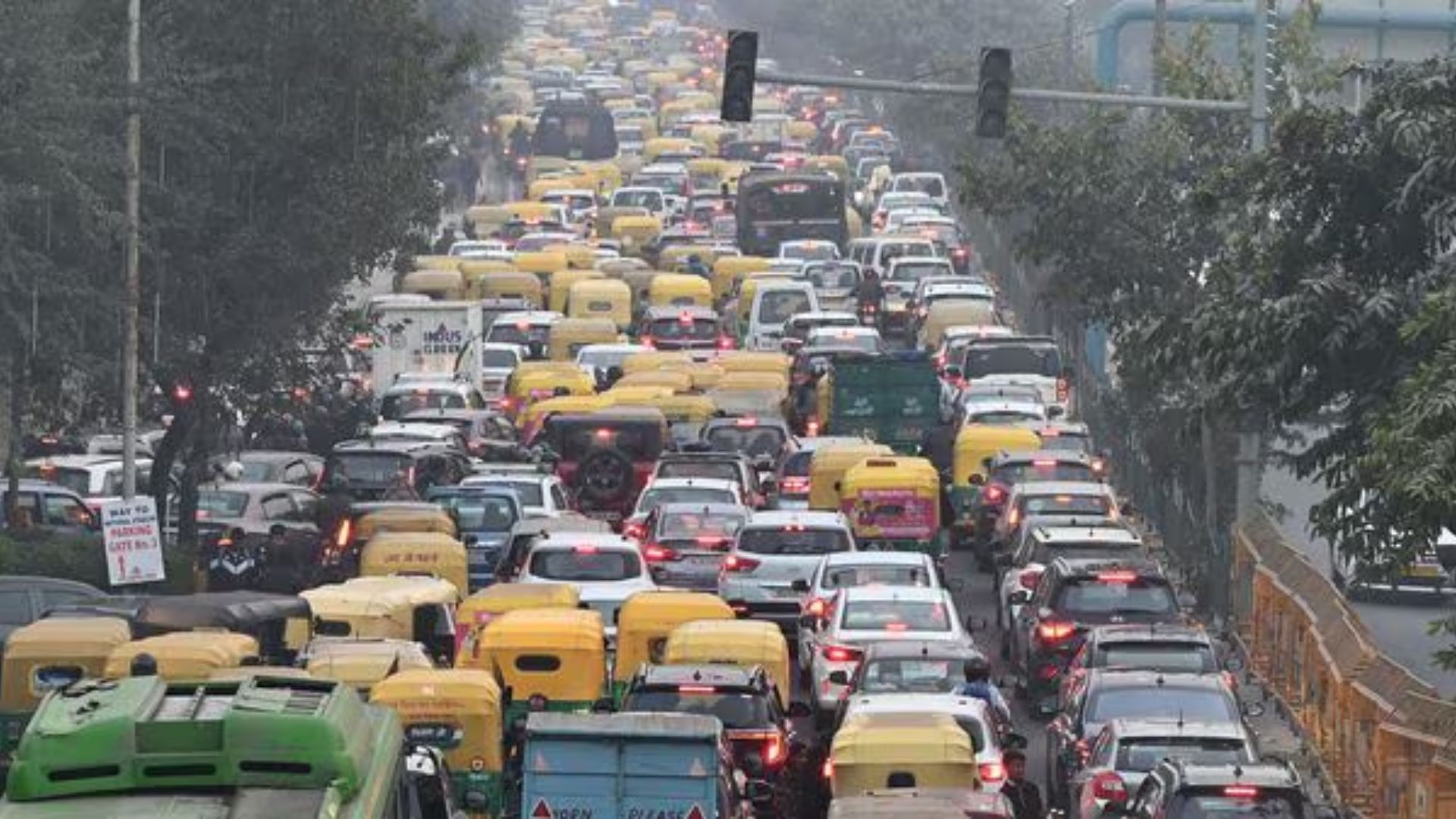
From November 1 onward, Delhi will restrict entry for older commercial goods vehicles registered outside the city that do not comply with the latest BS-VI emission norms. This effort, led by the city’s pollution management authorities, specifically targets vehicles entering the capital at a time when winter pollution becomes severe. The goal is to tackle rising vehicle emissions before air quality plummets further as weather conditions worsen.
- Only BS-VI compliant trucks and vans, and those running on cleaner fuels like CNG, LNG, or electric power, can enter the city from outside Delhi.
- BS-IV diesel commercial vehicles from other regions have been granted a temporary two-year exemption, allowing them entry until the end of October 2026.
- Vehicles that are registered in Delhi itself face no entry restrictions, regardless of fuel type. This includes both BS-IV and BS-VI diesel vehicles, and all vehicles powered by CNG, LNG, or electricity.
- However, if air quality emergencies occur, separate emergency restrictions under the GRAP (Graded Response Action Plan) will still apply to all vehicles.
Why the Ban, and What’s the Impact?
Delhi’s clean air commission implemented this comprehensive restriction to reduce the influx of high-polluting trucks during the winter months. Historically, the city’s air quality deteriorates sharply at this time due to a combination of stagnant air, crop-burning in neighboring states, and increased traffic emissions.
Some recent highlights include:
- The air quality index (AQI) dropped to 218 after reaching as high as 373 right before the new ban — a noticeable improvement, credited to joint efforts by multiple city agencies.
- Although this recent dip is promising, October 2025 recorded some of the worst air quality readings Delhi has seen in years.
Key facts:
- More than 1,300 enforcement teams are working across departments to fight air pollution.
- Daily, about 300 kilometers of major roads are cleaned using mechanical sweepers.
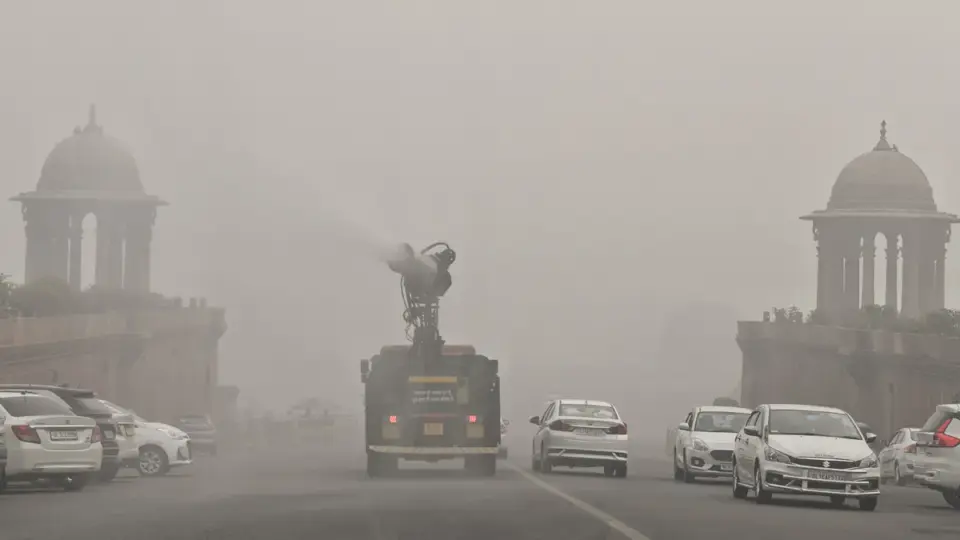
- 390 anti-smog guns (including nearly 100 on high-rise buildings) and 280 water sprinklers are being used to control dust and air particles.
- Strong monitoring is in place, with pollution stations said to be tamper-proof and directly supervised by central and state authorities.
What’s Next for Delhi’s Air?
While these measures are ambitious, officials say continued vigilance is necessary, especially when the air quality drops into “very poor” or hazardous territory. Both environmental enforcement and emergency plans like the GRAP will remain active as winter progresses, adjusting to any spikes in pollution levels.
- Additional restrictions could return on short notice if pollution surges again.
- The city will continue expanding its fleet of enforcement teams, sprinklers, sweepers, and surveillance.
- Ongoing monitoring and coordination between agencies, as well as clear public reporting, will be vital in upholding air quality improvements.
Overall, Delhi’s focus remains clear—by strictly controlling vehicular entry, especially in the colder months, the city aims to breathe easier and protect public health as the battle against air pollution intensifies.