Are you tired of circling the same market block, searching for a parking spot while traffic piles up behind you? Relief may soon be in sight for visitors to one of South Delhi’s busiest shopping destinations. By the end of this month, Greater Kailash I’s M Block Market is set to unveil a cutting-edge automated multilevel parking facility, bringing a tech-forward solution to the city’s enduring parking woes.
Easing Urban Parking Pain Points
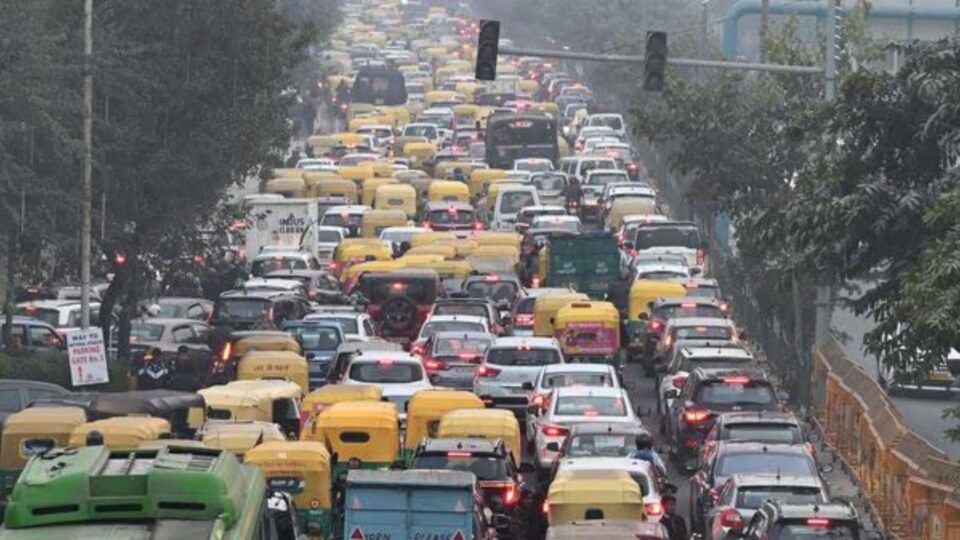
Parking challenges are a common headache for city dwellers, especially in popular urban markets like M Block. As shopping continues to draw in crowds and personal vehicle use shows no sign of slowing, innovative infrastructure solutions are desperately needed. The Municipal Corporation of Delhi (MCD) has responded with a pioneering approach—an automated, multilevel robo parking facility that promises to ease congestion and set a new standard for how Delhi tackles its parking issues.
Located at the heart of Greater Kailash I, the new multilevel parking structure covers a 2,240-square-metre plot and boasts a total project cost of ₹63.7 crore. The parking building includes eight upper floors in addition to the ground level, offering capacity for 399 cars.
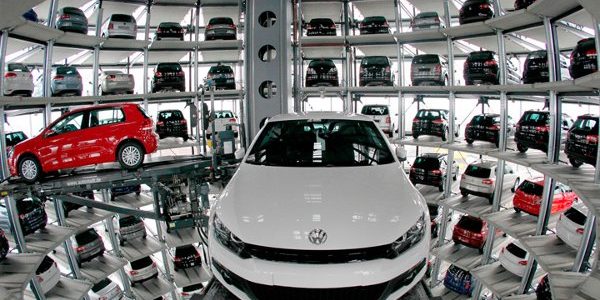
What sets this structure apart is its fully automated shuttle-based system, sometimes called robo parking. Rather than relying on manual labor or traditional ramps, the facility is engineered with advanced technology that allows cars to be parked and retrieved automatically. Four high-speed lifts efficiently carry vehicles between floors, optimizing space and reducing the time it takes for users to find a spot.
Final Preparations and Environmental Considerations
While the facility’s civil and electrical work is complete, the MCD is awaiting one final clearance before officially opening the doors. As per current regulations, 18 trees along the edge of the parking area must be removed to create a six-metre-wide passage for emergency vehicles, complying with mandatory fire safety norms. Once permission from the forest department is granted and final clearance from fire services obtained, the parking lot will be ready to welcome drivers—potentially as early as this month.
Tackling Delays and Addressing Public Concerns
Work on this ambitious parking project began in March 2022 with an initial deadline of 18 months. Like many large infrastructure projects, it faced unexpected delays and missed its September 2023 target for completion. The extended construction disrupted existing surface parking, creating considerable inconvenience for market visitors and local shopkeepers. Some businesses have even called for limited parking to be reinstated during the final phase, highlighting the urgent demand for such facilities in busy markets.
Shoppers and residents alike are hopeful that the new structure will soon provide relief from haphazard roadside parking that blocks traffic and restricts pedestrian movement. The goal is clear—to reduce congestion, streamline the parking experience, and make the market more welcoming for everyone.
How the Robo Parking System Works
Automated or robo parking facilities use a combination of sensors, lifts, and computer-controlled platforms to move vehicles to available spaces with minimal human intervention. Users will simply drive their car into a designated bay, exit the vehicle, and let the system take over. The computer-controlled system picks up the vehicle, assigns it a parking spot, and efficiently stores it until the driver is ready to retrieve it. When it’s time to leave, the same technology brings the car back to the bay in just a few minutes.
This innovative solution eliminates many of the headaches associated with traditional parking lots. There’s no need for drivers to search for spaces endlessly, and the risk of accidental scrapes or door dings is greatly reduced. Plus, automated parking systems make it possible to fit more cars into a smaller footprint by removing the need for ramps and wide drive lanes.
Operation and Revenue Model
Once the facility is open, it will be run by the builder or concessionaire responsible for its construction. For the first 10 years of operation, the management company will maintain the automated systems, oversee daily operations, and handle customer service. In return, they will share 70% of all parking fee collections with the MCD, ensuring a steady revenue stream for the city.
This public-private partnership model is designed to encourage future investments in similar parking solutions across Delhi. Automated stack and puzzle parking systems have the advantage of higher space efficiency and faster construction timelines compared to traditional parking lots, making them an attractive option for other crowded parts of the city.