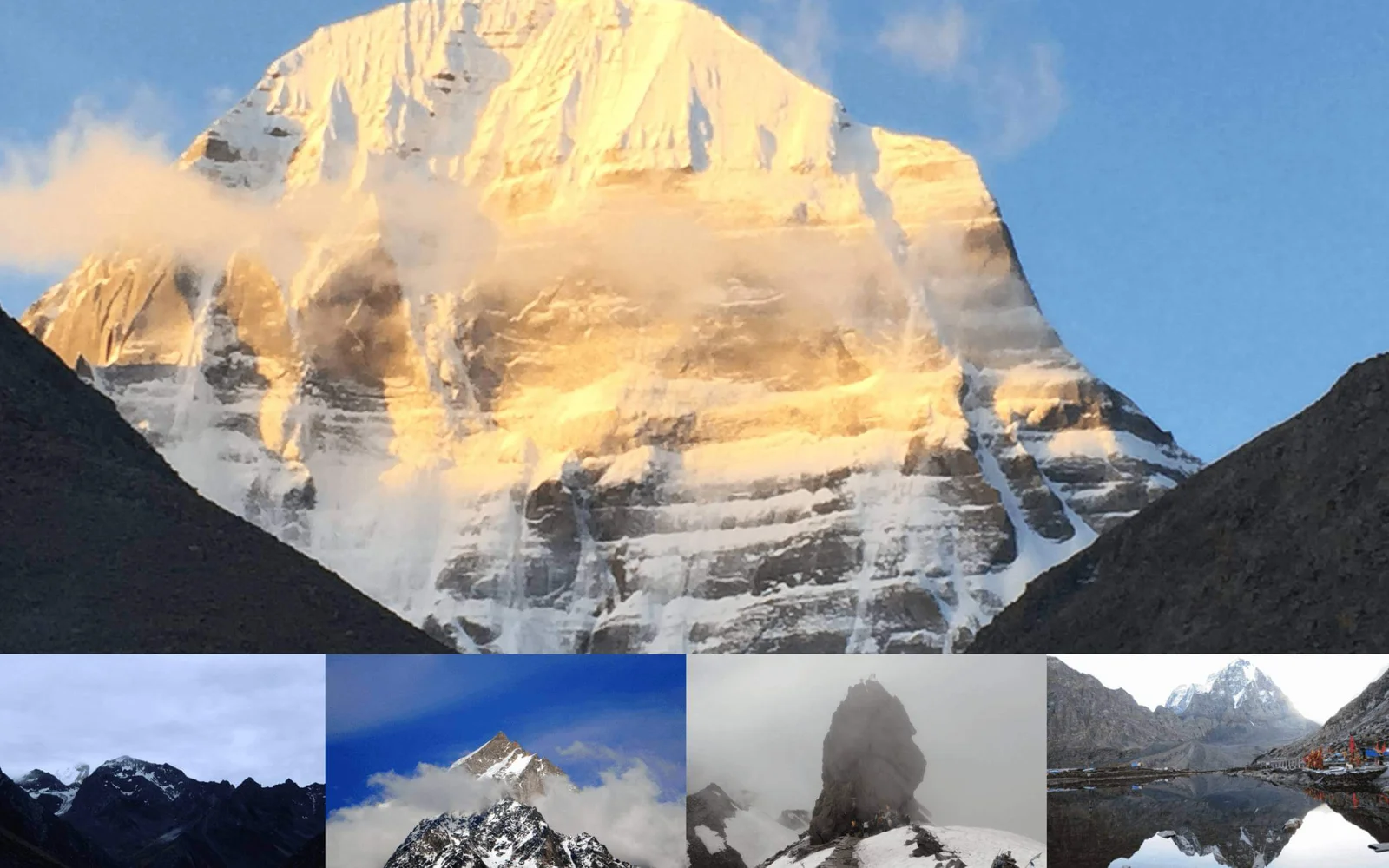
Rising majestically above the picturesque landscape of Srinagar, Mahadev Peak, also known locally as Mahadev Gali, holds a special place in the hearts of those who call Kashmir home. With its towering presence in the Zabarwan Range, this peak is more than just a landmark—it’s a symbol of faith, legend, and endurance. From ancient pilgrimages to modern adventures and security operations, Mahadev Peak’s story is a unique blend of spirituality and contemporary relevance that continues to shape the region’s identity.
The Sacred Significance of Mahadev Peak
Mahadev Peak stands at 13,011 feet, making it the highest peak within the city of Srinagar. Its very name, “Mahadev,” is another appellation for Lord Shiva, one of the most revered deities in Hinduism. For centuries, Kashmiri Pandits and local Hindus have looked up to Mahadev Peak, believing it to be the abode of Lord Shiva, overseeing and blessing the valley beneath.
Visible from many corners of Srinagar, the peak’s silhouette is often seen as a spiritual guardian, providing a silent sense of protection for the people living in its shadow. The reverence for Mahadev is evident not only in tales and rituals but also in the folklore that infuses Kashmiri culture.
The spiritual history of Mahadev Peak is deeply intertwined with Hindu mythology. It is believed that the peak was one of the crucial stops on Lord Shiva’s mythical journey to the sacred Amarnath Cave. On this journey, Lord Shiva is said to have discarded his earthly symbols—such as his serpent, crescent moon, drum, and his companion Nandi—along the path, with each site becoming a place of pilgrimage.
In local tradition, Mahadev Peak was a revered location, especially during the auspicious month of Shravan. Kashmiri Pandits would undertake challenging pilgrimages up the winding paths, often braving the cold and treacherous terrain, to offer their prayers during Sawan Purnimashi. The glacier that once crowned the peak provided ice, which pilgrims took as ‘Prasad’—a blessed token symbolizing the purity and power of Lord Shiva. Sadly, this glacier no longer exists, but the stories surrounding it endure.
Historical writings, including the famous “Rajatarangini” composed by Kalhana in the 12th century, mention Mahadev Peak as a holy site frequented by ancient pilgrims, demonstrating its deep roots in Kashmiri spiritual life.
Folklore among Kashmiri Hindus suggests that Lord Shiva’s influence over Mahadev Peak brings swift justice. It is a common belief that anyone harboring ill intentions or wrongdoing in the area would face divine retribution. This aura of spiritual authority has added to the mountain’s mystique, making it a symbol of righteousness for generations.
Operation Mahadev: A Modern Chapter in an Ancient Tale
Recently, Mahadev Peak captured headlines in the context of a significant security operation dubbed “Operation Mahadev.” This counter-terror initiative was launched by security forces in the Lidwas area near the peak. Drawing its name from the revered mountain, the operation was both a symbolic and strategic gesture, invoking the idea of divine protection even amidst modern-day challenges.
The event garnered attention as security forces successfully neutralized dangerous elements responsible for the tragic Pahalgam killings. The operation’s codename was a deliberate nod to the peak’s legacy, reinforcing the narrative that Mahadev stands as an enduring protector—both spiritually and, now, in the realm of contemporary security.
Living Traditions and Changing Times
In earlier times, Mahadev Peak thrived as a vibrant center for pilgrimage. Stories told by elders, like Sanjay Saraf—a prominent Kashmiri Pandit—recall the annual treks during Shravan when devotees would traverse the glacier-encrusted paths to pay homage. For them, Mahadev Peak isn’t merely a destination; it’s a profound spiritual experience.
Today, the number of pilgrims has dwindled, and the peak is celebrated more for its challenging trekking routes and breathtaking vistas than for its age-old religious significance. The shift is partly due to changing social dynamics and a lack of awareness among younger generations and tourists about the peak’s storied past.
Despite this evolution, Mahadev Peak continues to command respect from residents of all religions in the Valley, maintaining its tranquil dignity as the city’s highest point. It stands in the company of other Himalayan giants, such as Mount Harmukh and Mount Kolahoi, and overlooks the Tarsar and Marsar lakes to the east.