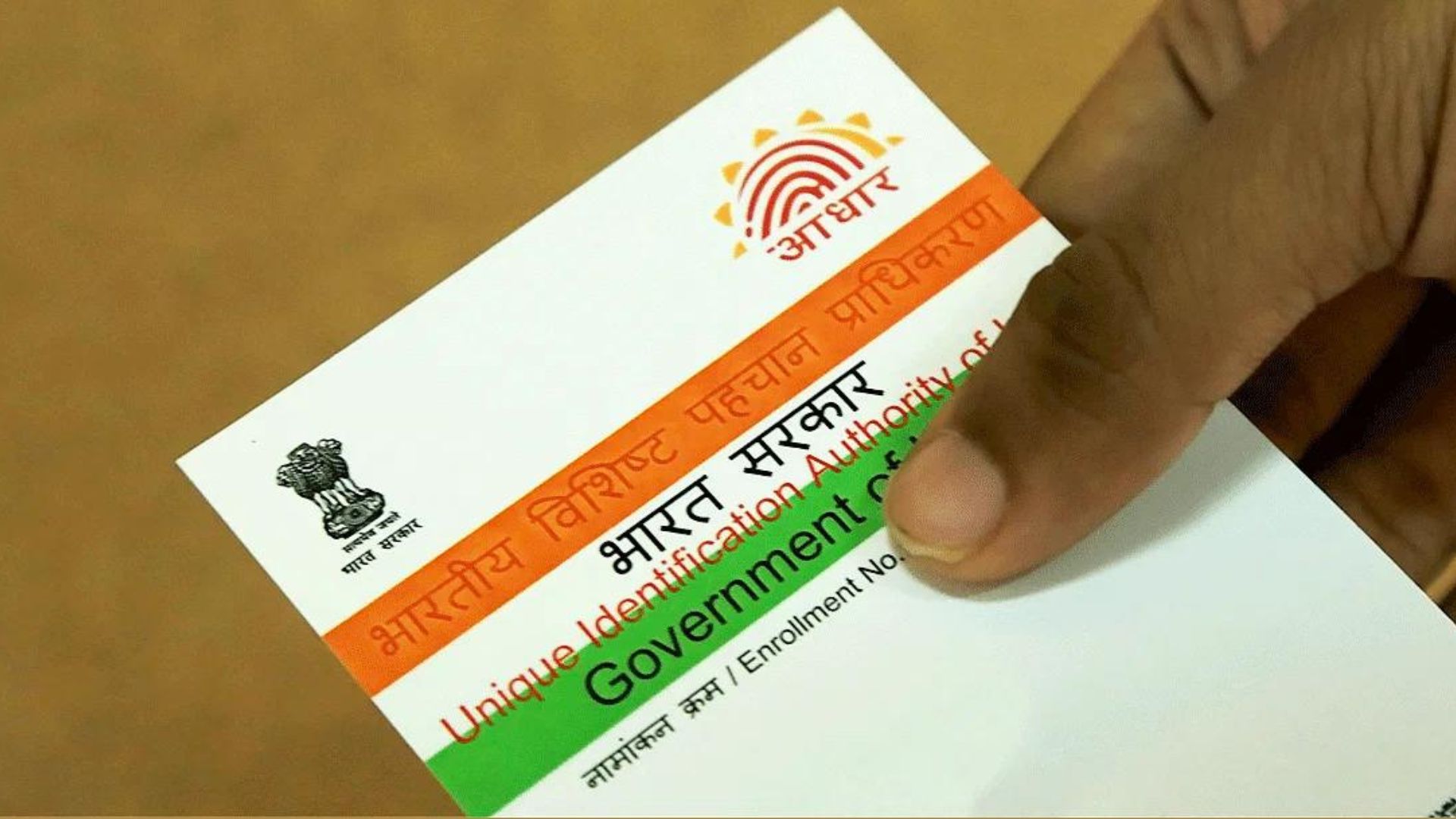
The world of identity verification in India is on the brink of a digital overhaul. The Unique Identification Authority of India (UIDAI) is gearing up to launch a fresh, QR code-enabled e-Aadhaar system that promises to simplify and accelerate the process of verifying identity. This new initiative will eliminate the need to carry or submit paper copies of Aadhaar cards, streamlining access to various services and enhancing data security. Slated to be implemented nationwide by the end of 2025, this update ushers in a new era for millions of Aadhaar holders across the country.
What is e-Aadhaar and Why is it Changing?
Aadhaar has long served as a cornerstone for identity verification and access to government and private services in India. Traditionally, residents needed physical photocopies of their Aadhaar to complete KYC processes, access benefits, or fulfill identification requirements. This process, while reliable, involved paperwork and the risk of document forgery.
With the digital shift, UIDAI is introducing an e-Aadhaar system fortified with a scannable QR code. Here’s why this move is significant:
- No More Photocopies: Carrying paper copies will soon be a thing of the past.
- Secure Verification: The QR code provides a tamper-resistant method of confirming one’s identity.
- Faster and Simpler: Reduces wait times and paperwork at service centres.
How Will the New System Work?
The updated e-Aadhaar system is centred around its embedded QR code. This QR code, when scanned by authorised devices at various touchpoints—like banks, hotels, or government offices—instantly retrieves and verifies the necessary details. The process is designed so that citizens no longer need to hand over a physical document, minimising the risk of data theft or misuse.
Key Features:
- Digital Verification: Quick scanning replaces manual checks.
- Widespread Integration: The system will interact directly with authenticated government databases, pulling user data in real-time.
- Consent-Based Sharing: Personal information is only shared with the explicit consent of the Aadhaar holder.
Home-Based Updates With the New Aadhaar App
Another leap in convenience arrives in the form of UIDAI’s updated Aadhaar app. This app empowers users to update most of their personal information—like address, phone number, or other demographic details—from home.
What Can Be Updated on the App?
- Address changes
- Phone number and email updates
- Other demographic information
What Still Requires a Visit?
- Biometric Updates: For fingerprint and iris scans, physical presence at authorized enrolment centres is still necessary, ensuring that identity integrity is maintained.
Timeline and Rollout Progress
UIDAI has already initiated the transition, updating nearly 2,000 verification machines out of the existing 1 lakh across the country. The full-scale digital system is expected to be operational nationwide before the end of 2025. Starting this November, physical visits will be limited to biometric authentication only.
Enhanced Integration With Government Databases
To further reduce paperwork and manual checks, UIDAI’s e-Aadhaar update will automatically sync details from a variety of authenticated government records, including:
- Birth certificates
- Driving licenses
- Passports
- PAN cards
- Ration cards (PDS)
- MNREGA records
There are also ongoing discussions to incorporate utility records, such as electricity bills, to make address verification simpler and more robust.
Biometric Updates for Children
Updating Aadhaar details for children comes with its own challenges. UIDAI is collaborating with educational boards, like CBSE, to organize biometric enrolment drives in schools. This ensures that children complete mandatory biometric updates at the following ages:
- Ages 5 to 7
- Ages 15 to 17
These updates are critical for maintaining the accuracy and validity of Aadhaar data as children grow.
Steps to Minimize Fake Documents
A major benefit of the new process is its potential to curb the use of fake documents in various sectors, especially in property registrations and rental agreements. The QR code verification method is being piloted in sub-registrar offices and hospitality businesses as a more secure way to establish identity.
- Reduces identity fraud risks
- Requires explicit consent for data sharing
- Streamlines real estate and hotel check-ins
Key Benefits at a Glance
- No need for paper photocopies
- Secure and tamper-proof identity checks
- Fast and reliable verification at more locations
- Controlled sharing of personal details, protecting privacy
- Easier updates to your Aadhaar profile from home
- Improved accuracy in children’s Aadhaar records
UIDAI’s digital transformation of the Aadhaar system marks a big step towards a future where identity verification is easy, fast, and secure. As more services adopt the QR code-enabled e-Aadhaar, individuals can look forward to hassle-free interactions and better protection of their personal data. By the end of 2025, carrying physical copies and dealing with paperwork will likely be relics of the past, replaced by a swift scan and secure authentication process.