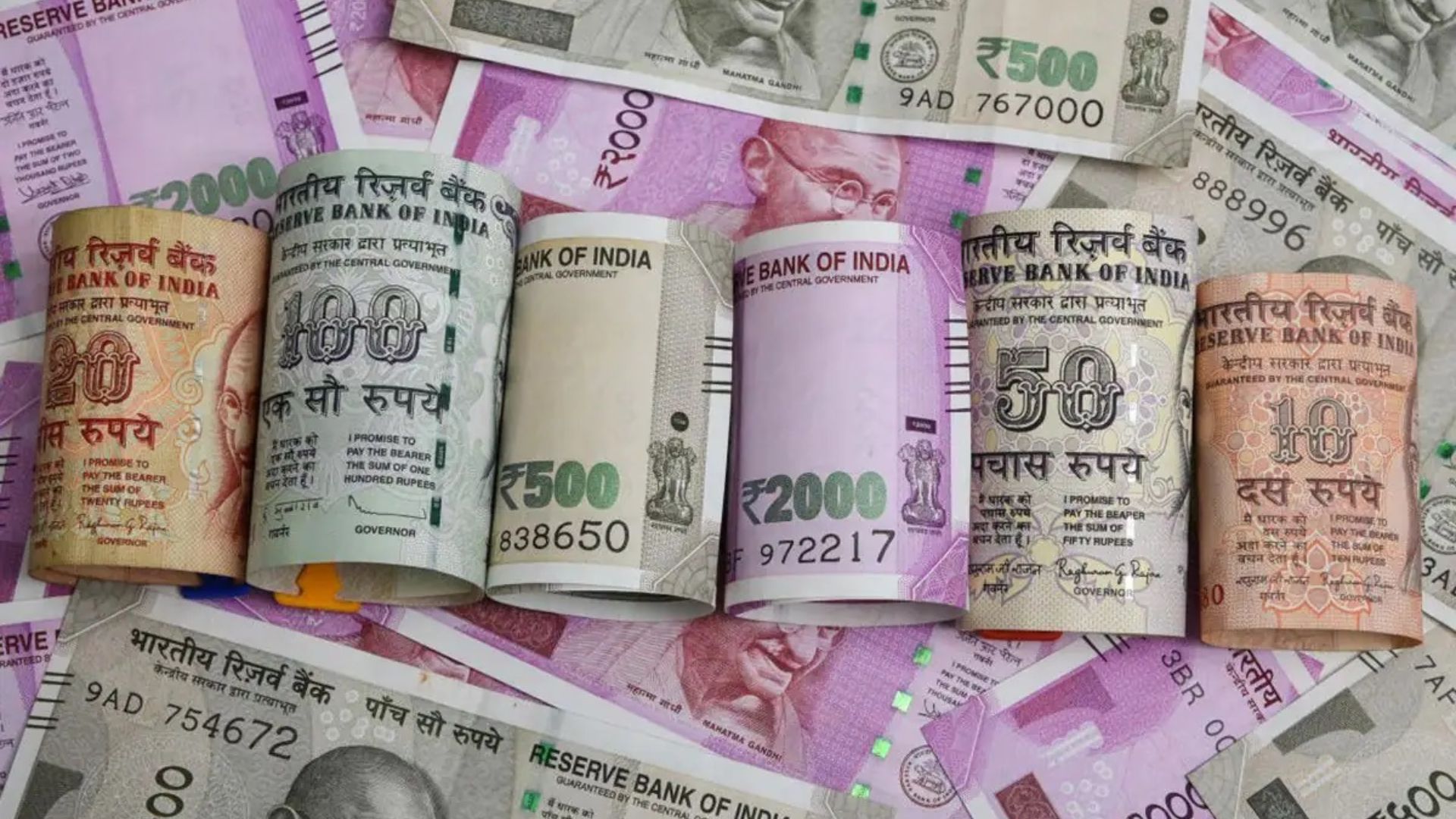
Understanding India’s Cash Transaction Limit: What You Can Legally Withdraw or Accept in a Day

In today’s growing digital economy, the Indian government has tightened its grip on large cash transactions to encourage transparency and curb black money. The Income Tax Department has set clear guidelines on how much cash one can legally receive or deal with in a single day without facing penalties.
The ₹2 Lakh Rule Under Section 269ST
Section 269ST of the Income Tax Act states that no individual or business can accept ₹2 lakh or more in cash in a single day, whether through one or multiple transactions from the same person. This restriction applies regardless of whether the transaction is for personal or business purposes. You can, however, freely receive amounts below ₹2 lakh in cash from different individuals on the same day.
For instance, if someone buys a car from you and pays ₹2.5 lakh in cash, you would be violating Section 269ST. Even breaking the payment into smaller parts won’t help because the total cash received from that person exceeds the set limit. Similarly, receiving cash above ₹2 lakh for a single event or occasion, such as a wedding, is also prohibited.
The rule does not restrict cash withdrawals from banks, post offices, or cooperative banks. It only applies to the person receiving the money.
Penalty for Violating the Rule
Under Section 271DA of the Income Tax Act, receiving ₹2 lakh or more in cash in violation of Section 269ST can result in a penalty equal to the entire amount received. For example, if someone accepts ₹5 lakh in cash for a property sale or business payment, the same ₹5 lakh can be imposed as a penalty. This penalty is levied on the person who receives the money, not the one who gives it.
However, if the receiver can present a valid and reasonable explanation—such as unavoidable circumstances—the tax authorities may consider waiving the penalty. With the upcoming Income Tax Bill 2025, Clause 451 proposes better procedural clarity by replacing Section 271DA with a new penalty system under Section 271FAB, where the assessing officer directly handles such cases and ensures fair hearings.
How the Income Tax Department Tracks Cash Transactions
The Income Tax Department now uses Artificial Intelligence (AI) and data analytics to keep an eye on financial activity. Banks, mutual funds, and other financial institutions must report high-value transactions through the Statement of Financial Transaction (SFT). These reports include details of large cash deposits, withdrawals, property purchases, and investments.
AI systems compare current and past income tax returns to detect inconsistencies between declared income and spending. Cash deposits exceeding ₹10 lakh in a savings account or ₹50 lakh in a current account in a single financial year can trigger an alert. Even smaller repeated transactions below ₹2 lakh might be scrutinized if they appear suspicious.
This enhanced data-driven approach ensures that transactions across the system remain traceable, discouraging unaccounted cash dealings and improving tax compliance.