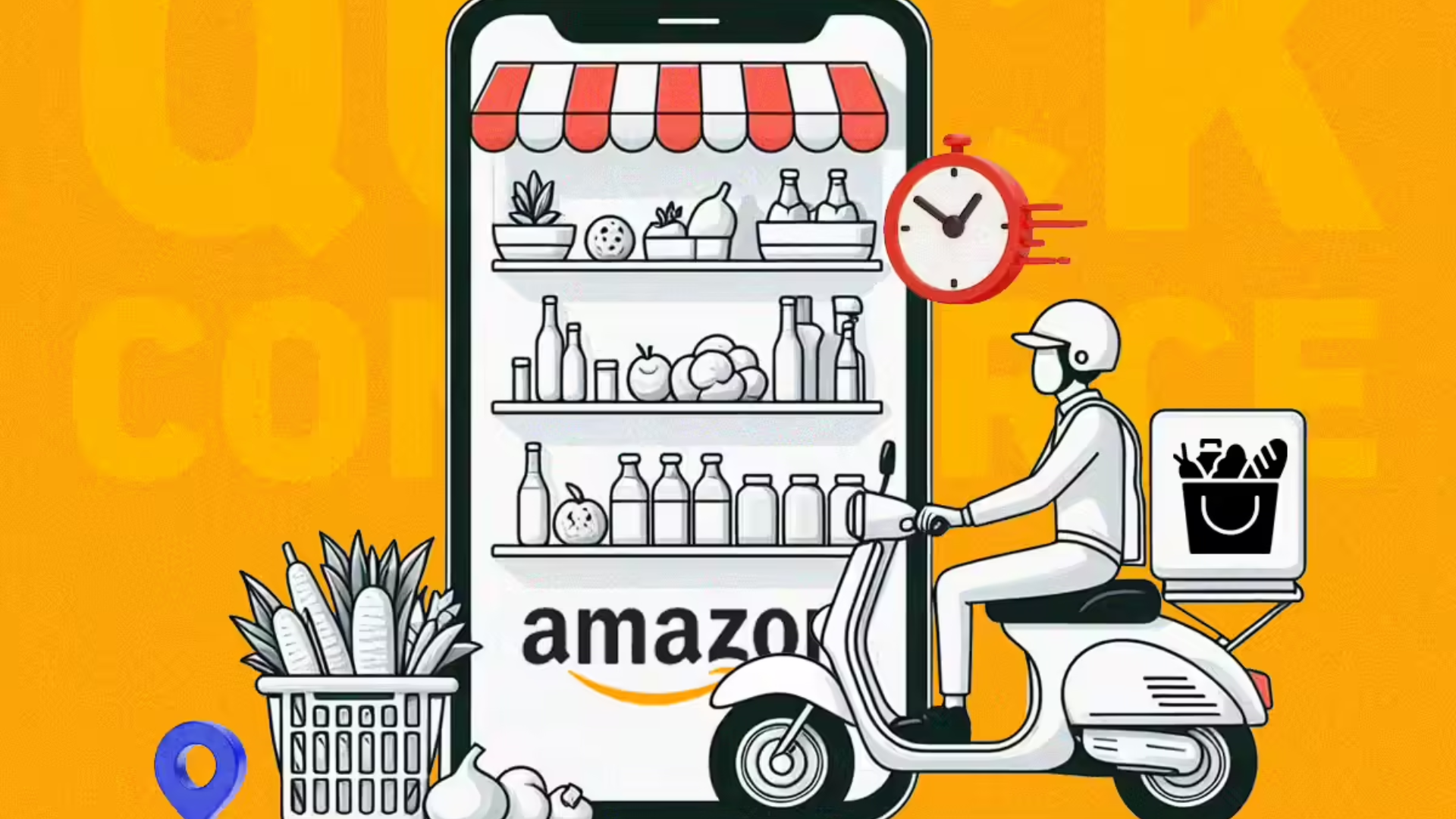
Amazon has officially entered the quick commerce race in New Delhi, rolling out its “Now” service to deliver essentials in as little as 10 minutes. This move positions the e-commerce giant alongside established local competitors that have already made lightning-fast delivery the new standard in urban India.
With this expansion, Delhi becomes the second city in the country to experience Amazon’s ultra-fast delivery, following a successful launch in Bengaluru. The company’s rapid rollout is a direct response to the growing demand for instant access to groceries, daily necessities, and even gadgets—a trend that has transformed shopping habits in major Indian cities.
Amazon’s entry into this space means it’s now going head-to-head with popular platforms that have already captured the quick commerce market. These companies have set the bar high, using advanced logistics and strategically located dark stores to fulfill orders in under 15 minutes. For today’s urban shopper, speed isn’t just a perk—it’s an expectation.
The Quick Commerce Boom: Changing How India Shops
Quick commerce, often called Q-commerce, has taken India by storm. What began as a way to get groceries delivered quickly has evolved into a service that brings a wide variety of products—electronics, snacks, medicines, and more—straight to doorsteps in record time.
Key drivers behind this boom include:
- Rising urban demand for instant deliveries, especially among younger consumers and professionals.
- Expansion of dark stores and hyperlocal logistics, enabling companies to serve densely populated areas efficiently.
- Intense competition among major players, pushing innovation and faster delivery times.
As a result, companies are investing heavily to expand their networks and improve delivery speeds. Amazon, for instance, recently announced a significant investment to boost its infrastructure, open new fulfillment centers, and reach more cities and towns across India. This strategy is designed to support faster deliveries, especially during peak periods like festive sales.
Meanwhile, Flipkart has launched its own quick commerce service, “Minutes,” now available in multiple cities and focusing on essentials and small electronics. Other major players continue to strengthen their presence in urban hubs, constantly working to reduce delivery times and expand their reach.
What’s Next for Quick Commerce in India?
The quick commerce landscape is evolving rapidly, with companies racing to meet the expectations of a new generation of consumers who value speed and convenience above all else. As Amazon and its rivals pour resources into faster delivery and broader coverage, Indian shoppers can look forward to even more seamless and instant access to the products they need—whenever they need them.