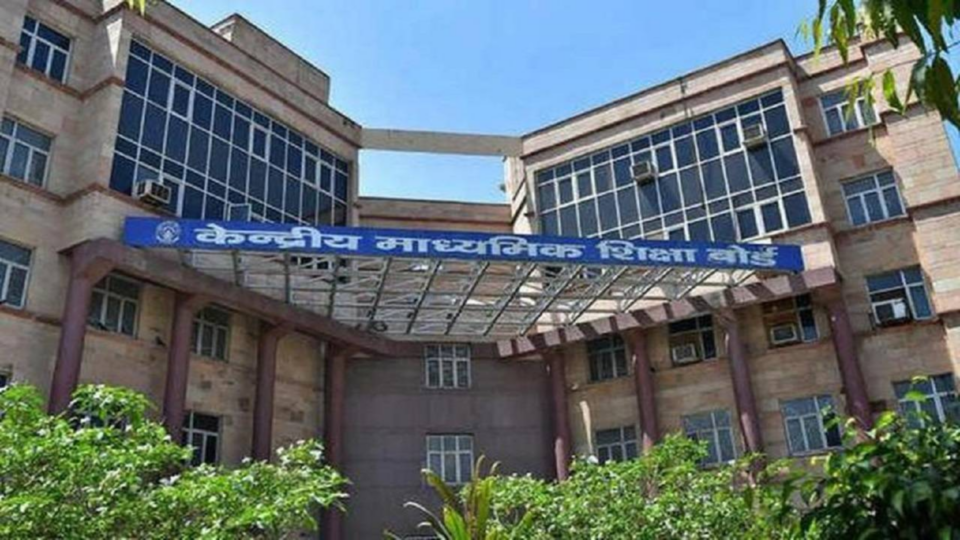
The Central Board of Secondary Education (CBSE) has announced several important updates for students in Classes 10 and 12. These changes are designed to make learning less stressful, more practical, and better suited for today’s world. Here’s a simple breakdown of what’s new and how it will affect students.
Two Board Exams for Class 10 Each Year
- Twice-a-Year Exams: Starting in 2026, Class 10 students will have the chance to take their board exams two times a year – once in February and again in April.
- Best Score Counts: If a student is not happy with their score in the first exam, they can try again in the second. The higher score will be considered as their final result.
- No Year Loss: Students don’t have to repeat the year if they want to improve their marks, reducing pressure and giving everyone a fair chance.
New Way of Testing and Grading
Focus on Real Understanding
- Competency-Based Questions: Exams will now test how well students understand concepts and can apply them to real-life situations, not just how much they can memorize.
- Types of Questions: Expect more multiple-choice questions (MCQs), case studies, and questions based on real sources. Up to half of the exam paper will have these kinds of questions.
Continuous Evaluation
- Two-Tier Evaluation: Marks will be split between board exams (60%) and internal assessments (40%), like projects, assignments, and regular class tests.
- Regular Feedback: This means students will be evaluated throughout the year, not just in the final exam, making learning more steady and less stressful.
New Grading System
- 9-Point Scale: The old five-point grading system is being replaced by a more detailed nine-point scale.
- Top Performers: The highest grade, ‘A1’, will be given to the top 12.5% of students, making it easier to recognize outstanding performance.
More Choices and Better Security
New Subjects and Skills
- Skill-Based Electives: Students can now choose new subjects like artificial intelligence and design thinking, which are useful for future jobs.
- Vocational Readiness: These electives help students learn skills that are important in the modern workplace.
Digital and Secure Exams
- On-Screen Evaluation: Answer sheets will be checked digitally, making the process faster and more accurate.
- Biometric Verification: There may be fingerprint or face recognition at exam centers to make sure exams are fair and secure.
Why These Changes Matter
- Less Stress, More Learning: By giving students more chances and focusing on practical skills, CBSE wants to make exams less stressful.
- Real-World Preparation: The new system helps students think critically, solve problems, and be ready for life beyond school.
- Fairer Assessment: With more weight on classroom work and internal tests, students who participate and work hard all year get rewarded.
- Reduced Need for Extra Tuition: Since regular classwork matters more, students can rely less on outside coaching.
CBSE’s new rules are a big step towards making education better for everyone. With two exams a year, practical questions, a new grading system, and more subject choices, students can learn in a way that prepares them for the real world. These changes are set to start from the 2026-27 academic year, giving students and teachers time to get ready for a brighter, less stressful future.