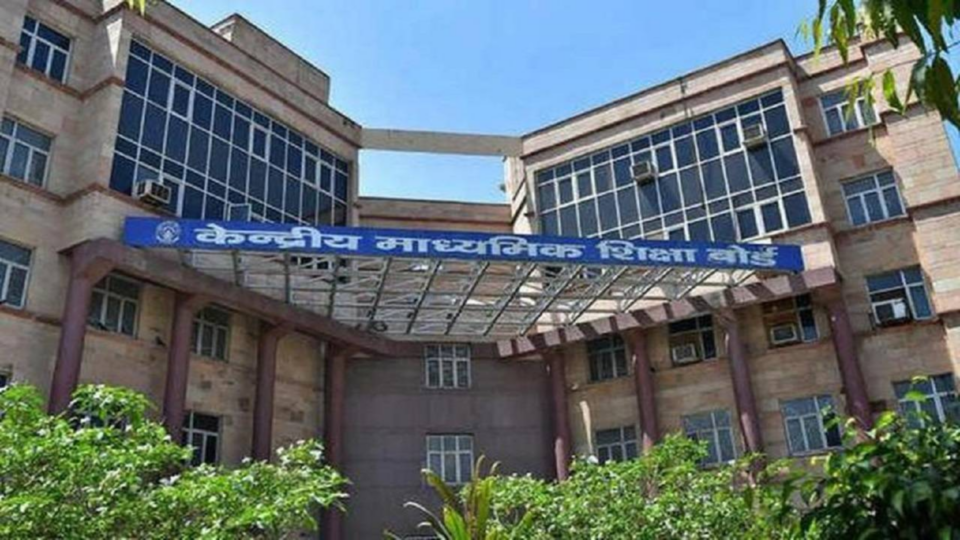
The Central Board of Secondary Education (CBSE) has introduced sweeping changes in the way schools submit the List of Candidates (LOC) for the 2026 board examinations of Classes 10 and 12. These new rules bring extra checks, digital upgrades, and stronger accountability—turning the LOC submission process into a much more streamlined and transparent system.
Two-Board Exam Structure for Class 10
For the first time, CBSE will follow a dual examination framework for Class 10. Every student must appear in the Main Examination, scheduled for mid-February. Once completed, there will be a Second Board Examination, giving students another chance to appear if required.
Schools will need to submit the LOC separately for both phases, ensuring accurate records and compliance at each stage. This approach not only reduces stress on students by offering an additional opportunity but also pushes schools to maintain greater precision while uploading details of their candidates.
APAAR Integration and Data Accuracy
A significant addition to the process is the mandatory linking of Automated Permanent Academic Account Registry (APAAR) IDs with student records for LOC submission. This rule applies to schools within India, while overseas CBSE schools are exempt. The move ensures that student records remain authentic, error-free, and easy to verify.
Schools will need to provide comprehensive information—student particulars, parents’ details, date of birth, subjects with correct codes, and the candidate’s category (First Sitting, Improvement, or Compartment). CBSE has made it clear that only flawless entries will be accepted, and students not registered through this online process will be barred from the 2026 examinations.
A Step Toward Inclusivity
To make assessments fairer, CBSE has also launched a dedicated portal for students with special needs (CWSN). This platform will help schools record necessary information and avail appropriate concessions for these candidates during the examination process. It’s a move that reflects CBSE’s effort to make examinations more inclusive and accessible for every learner.
Looking Ahead
These reforms highlight CBSE’s focus on digital integration, accuracy, and inclusivity. For schools, this means handling more responsibility while preparing and validating data. For students, the changes promise smoother, well-managed exam processes with fewer chances of discrepancies.
As India’s largest school examination body, CBSE is clearly moving towards a future where exams are not just about evaluation, but also about fairness, transparency, and equal opportunities. The 2026 board exams will be the first real test of these reforms—and they are set to redefine the way school-level examinations are conducted across the country.