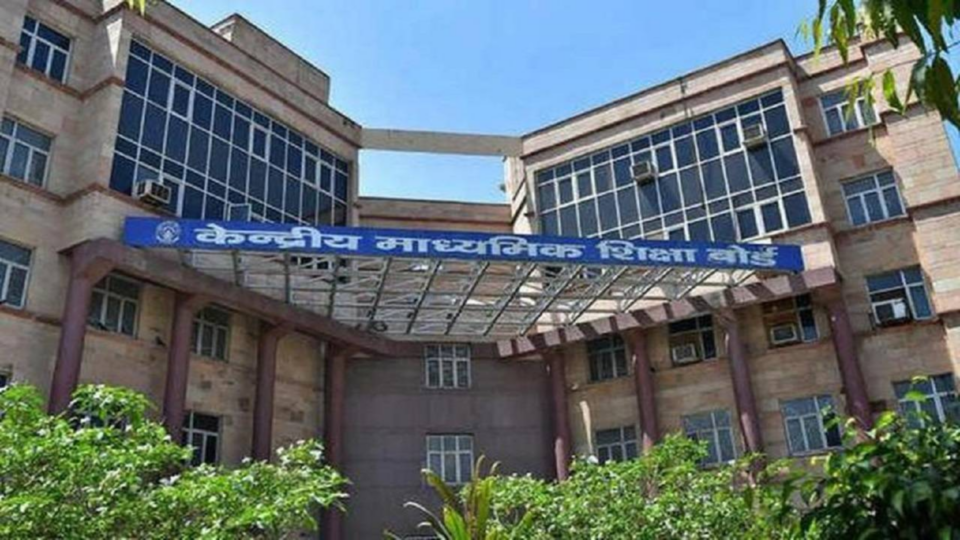
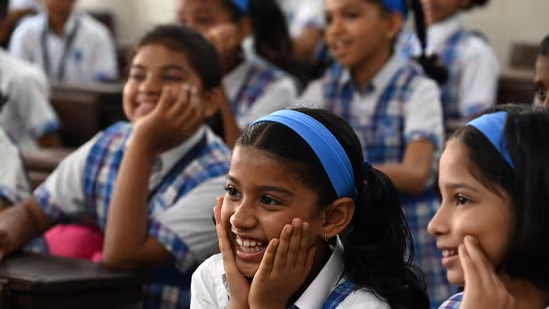
The Central Board of Secondary Education (CBSE) has initiated a landmark development in Indian schooling by announcing open-book examinations for Class 9, beginning with the academic session 2026-27. This move comes in alignment with the National Curriculum Framework for School Education (NCFSE) 2023 and the National Education Policy (NEP) 2020, aiming to facilitate a transition from rote memorization to competency-based learning. The decision promises to reshape how students and teachers approach assessments, fostering higher-order thinking and practical skills instead of mere fact recall.
What Are Open-Book Exams?
Open-book exams are a distinct departure from the traditional pen-and-paper method. In these assessments, students can consult textbooks, class notes, or other approved resources while answering questions. The focus is not on memorizing information but on how effectively students can understand concepts, process information, and apply what they have learned to solve problems. Rather than direct questions that can simply be answered from memory, open-book exams encourage conceptual and analytical thinking.
Why Is CBSE Making the Change?
The CBSE’s decision is rooted in extensive research and feedback collected during a pilot study. The pilot was conducted for Classes 9 and 10 in subjects like English, Mathematics, and Science, and for Classes 11 and 12 in English, Mathematics, and Biology. The study found that students faced challenges in effectively using resources and grasping interdisciplinary concepts, with scores ranging from 12% to 47%. However, teachers showed strong support for the initiative, emphasizing its potential to foster critical thinking and innovation in classrooms.
This change was designed to align with NEP 2020’s call for moving away from rote learning and embracing a holistic, skill-based educational model. By giving students access to materials during exams, the aim is to reduce exam stress, encourage deeper engagement with the curriculum, and prepare them for real-world situations.
Structure of the Open-Book Exams
The new format will be integrated into the internal assessments conducted by schools for Class 9. Specifically, these open-book exams will be part of the three pen-paper evaluations held each term, and will cover core subjects such as languages, mathematics, science, and social science. While CBSE will provide guidelines and standardized sample papers, participation will be optional for schools, allowing flexibility based on their infrastructure and teacher readiness.
The board is set to develop comprehensive frameworks and sample question papers focused on promoting critical thinking. Teachers will be supported in framing questions that go beyond recall, involving case studies, scenarios, and interdisciplinary themes.
Advantages of Open-Book Exams
1. Encourages Deeper Learning
Open-book exams shift the emphasis from memorizing facts to understanding concepts. Students must interpret and apply information from varied resources, nurturing critical analysis and logical reasoning.
2. Reduces Memorization Stress
With reference materials available, students can focus on learning and comprehending rather than cramming facts. This is expected to make exams less stressful and more meaningful.
3. Builds Real-World Skills
By navigating resources, students develop research skills, resource management, and the ability to synthesize information—skills invaluable for higher studies and future careers.
4. Tests Application over Recall
Questions will require students to connect ideas, explain reasoning, and provide solutions for real-life situations, moving away from direct answers found in textbooks.
Challenges and Considerations
Despite strong support, open-book exams also present challenges. The pilot revealed low success rates, suggesting students may need guidance on how to use their materials effectively and manage their time. Schools must ensure resource availability so that all students have equal access to reference materials, addressing potential inequity.
Teachers will need training to frame questions that test comprehension and application rather than simple recall. Standardizing assessments, preparing quality materials, and building capacity for effective implementation are essential steps to overcome initial hurdles.
Previous CBSE Experiments with Open-Book Assessments
This is not the first time CBSE has experimented with open-book formats. Between 2014 and 2017, the Open Text-Based Assessment (OTBA) method was introduced for Classes 9 and 11, but it was discontinued due to lack of significant improvements in student critical abilities and negative feedback from stakeholders. The lessons learned from the earlier initiative are guiding the framework for this renewed approach.