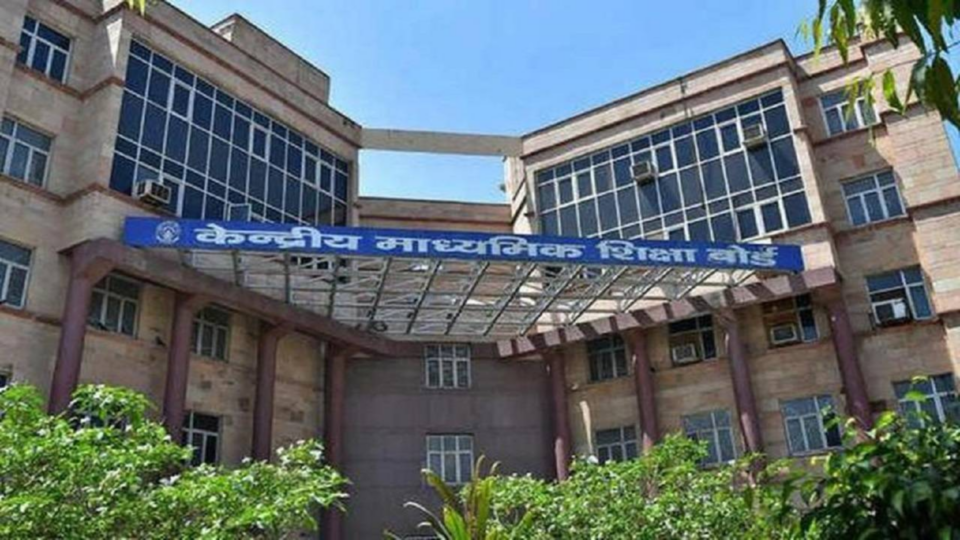
A big change is coming to how schools in India are recognized for their environment and cleanliness. The Central Board of Secondary Education (CBSE) has launched a new initiative called the Swachh Evam Harit Vidyalaya Rating (SHVR) for 2025-26. Every CBSE-affiliated school must take part in this programme, which has a clear goal: create school spaces that are clean, green, safe, and welcoming to everyone. Let’s understand what SHVR is, why it’s important, and what schools have to do.
What is SHVR 2025-26?
SHVR stands for Swachh Evam Harit Vidyalaya Rating. The CBSE introduced this system to encourage all schools to maintain high standards in cleanliness, greenery, and inclusivity. This new rating is part of a nationwide drive that replaces the previous Swachh Vidyalaya Puraskar (SVP) system. All government, private, residential, tribal, minority, and centrally run schools are included, as long as they have a UDISE code.
Why is SHVR Important?
The school environment plays a huge role in a child’s physical and mental growth. Clean toilets, safe drinking water, and green spaces help students stay healthy and happy. SHVR wants every school to self-check and improve these areas. Through this programme, students, teachers, and school leaders can work together to make their school better every year.
How Does SHVR 2025-26 Work?
SHVR uses a complete survey. Each school is evaluated on 60 different points. These points are grouped under six major categories:
- Water
- Toilets
- Handwashing with Soap
- Operation & Maintenance
- Behaviour Change & Capacity Building
- Mission LiFE activities (which means encouraging children to care for the planet in their daily life)
Each school must honestly assess itself on these indicators to receive a rating.
Digital Participation Made Easy
To make SHVR easy, CBSE has developed a dedicated online portal and mobile app. Schools can choose whichever is convenient for them:
- Visit the SHVR website (shvr.education.gov.in) to download the Android or iOS apps via QR code.
- If preferred, use the web portal and sign up online.
Every school must finish its self-assessment and submit it by September 30, 2025.
Who Must Take Part?
All schools affiliated with CBSE across India are required to participate. This includes:
- Government and Government-aided schools
- Private schools
- Residential, tribal, and minority schools
- Central schools like KVS (Kendriya Vidyalaya Sangathan) and NVS (Navodaya Vidyalaya Samiti)
If a school has a UDISE code, it must complete SHVR assessment without exceptions.
How are Schools Recognized?
SHVR does not just rate schools. It also recognizes efforts by awarding certificates of merit. There are multiple levels:
- District Level: Few schools from both rural and urban categories are chosen for state nominations.
- State Level: Based on the overall scores, top schools from every state and union territory receive certificates, including top five-star rated institutions in various categories.
- National Level: The most outstanding 200 schools across the country, including top schools from rural and urban regions, win certificates of merit.
Benefits for Schools
Participating in SHVR brings many positive changes:
- Cleaner and safer school spaces
- Awareness about health and hygiene
- A stronger sense of responsibility among students
- Opportunity to be recognized nationally for environmental practices
Simple Steps for Schools
- Download the SHVR app or visit the portal
- Complete the 60-point self-assessment before the deadline
- Monitor and improve the school’s standards regularly