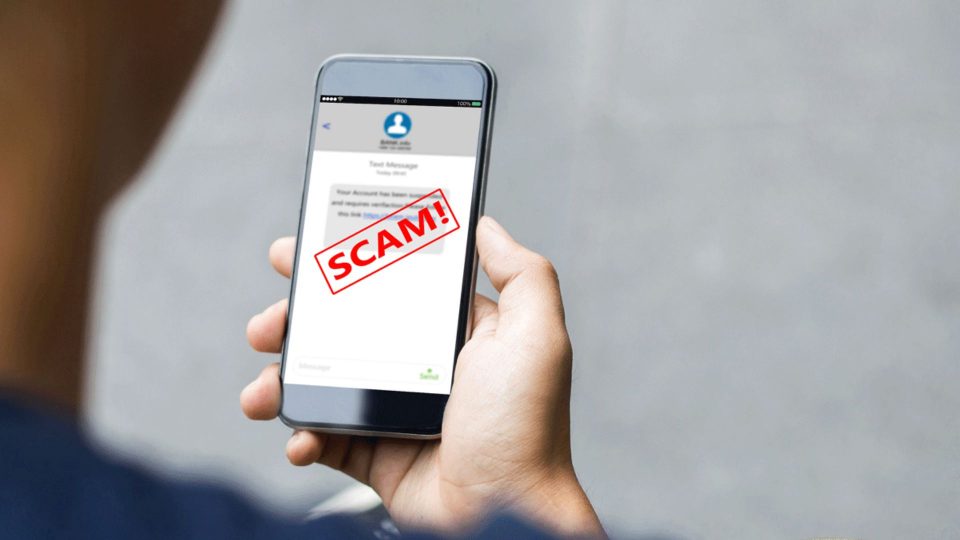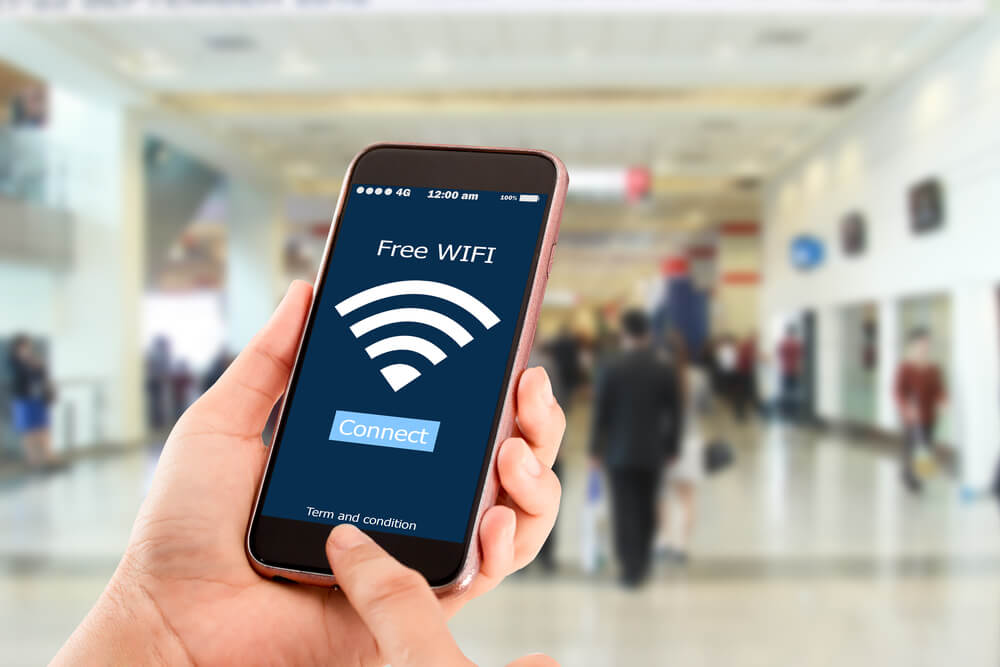
Millions of people across India use public Wi‑Fi every day—at airports, cafes, malls, and railway stations but cybersecurity experts warn that these free networks can easily expose users to hacking, data theft, and financial fraud. When you connect to an unsecured hotspot, your personal and banking information can travel over a shared network that hackers can monitor or even manipulate.
With digital payments, UPI apps, and mobile banking now deeply woven into daily life, understanding what really happens when you connect to public Wi‑Fi has become essential for your safety and your money.
What really happens when you use public Wi‑Fi?
Most public Wi‑Fi networks are open and unencrypted, which means your smartphone or laptop sends data in a form that can be read by others on the same network. Cybercriminals can use techniques such as:
- Man‑in‑the‑middle attacks: The attacker quietly sits between your device and the website, watching everything you type.
- Fake hotspots: A hacker sets up a Wi‑Fi network with a name that looks like the real one (for example, “Railway Station Free Wi‑Fi‑2”) so you connect without suspicion.
In simple terms, anything you type, like passwords, OTPs, emails, or even UPI details, can be captured if the connection is not secure.
Main public Wi‑Fi dangers
- Identity theft and financial fraud: Hackers can steal login details for your bank, UPI, email, or social‑media accounts and misuse them.
- Session hijacking: An attacker may take control of your logged‑in session without needing your password, especially if you stay signed in on public networks.
- Malware injection: Some networks or pop‑ups on public Wi‑Fi can silently install malware that tracks your activity, even after you disconnect.
For everyday users, this can lead to direct money loss through UPI or bank apps, misuse of photos and messages, and damage to your online reputation.
Simple ways to stay safe on public Wi‑Fi
You don’t have to avoid public Wi‑Fi completely, but you should use it carefully:
- Avoid banking and UPI on public networks: Never log in to your bank app, UPI app, or wallet on open Wi‑Fi.
- Look for HTTPS: Only browse websites that start with
https://(not justhttp://), because the “s” means the connection is encrypted. - Turn off auto‑connect: Disable automatic Wi‑Fi joining so your phone doesn’t connect to unknown or risky networks by itself.
- Use a trusted VPN: A Virtual Private Network encrypts your entire internet traffic, making it much harder for hackers to see what you do.
- Enable two‑factor authentication (2FA): On email, social media, UPI, and banking apps, 2FA adds an extra layer of security, so even if your password is stolen, the attacker cannot easily access your account.
- Verify the network name: At a cafe or railway station, ask staff for the correct Wi‑Fi name instead of blindly clicking on similar‑looking options.
- Keep your device updated: Regular updates fix security gaps that hackers often exploit on public networks.
Why this matters in daily life (India 2026)
Digital payments, UPI, and online banking have become the norm in India, and public Wi‑Fi is everywhere—from airports and metro stations to malls and restaurants. One unsafe connection can be enough for a cybercriminal to drain your account or misuse your identity.
By following basic precautions—avoiding sensitive logins on open Wi‑Fi, using HTTPS, enabling 2FA, and using a VPN—you can enjoy free internet without putting your digital life and money at risk. Public Wi‑Fi is convenient, but it is also a high‑risk zone; knowing the dangers and using smart habits is the best way to stay safe.