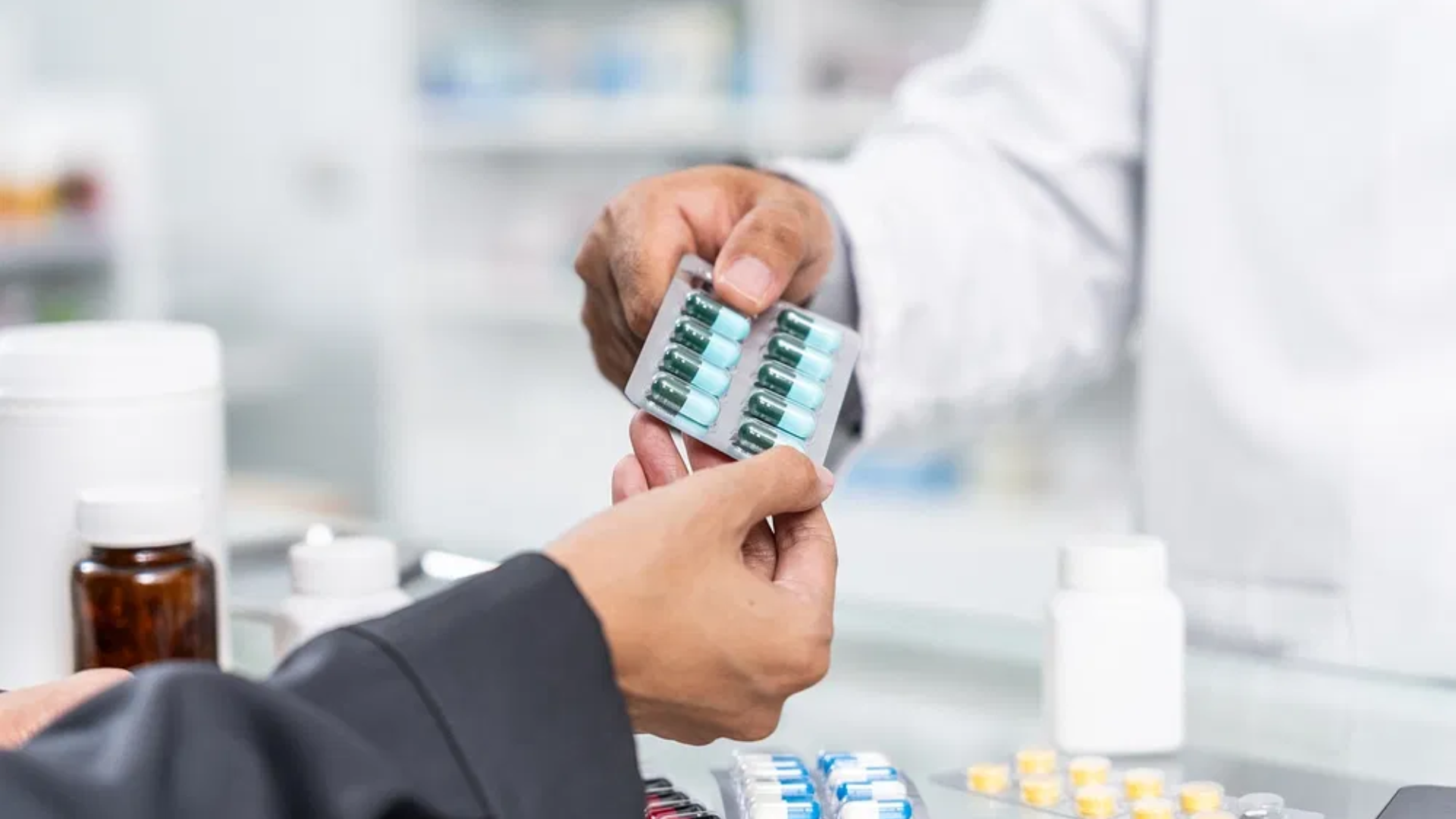
Have you ever found a strip of medicine in your drawer that’s just a few days past its expiration date and wondered, “Is it still safe to take?” You’re not alone. Many people face this dilemma, especially when it’s hard to get a fresh pack right away. Expiration dates are usually seen as strict deadlines, but the real picture is more complex.
While some medicines can remain effective for a short time after expiry, others can become weak or even unsafe. Understanding what expiration dates mean, what kind of medicines are risky, and how to store and dispose of them properly can help you make safer choices.
What does an expiration date really mean?
An expiration date is a guarantee from the manufacturer that the medicine will be fully potent and safe if stored correctly up to that date. It is not a sudden “on/off” switch, but the point beyond which the company no longer guarantees strength or quality.
Once past the labelled date, the medicine may start to lose potency, and its effectiveness is no longer assured. This is why health authorities and labels clearly say “Do not use after” the expiry date.
Are expired drugs always ineffective or unsafe?
Scientific studies, including a US military–FDA collaboration, have shown that many solid medicines (like tablets and capsules) can retain most of their strength even years after expiry, as long as they are stored properly in a cool, dry place and in their original packaging.
However, this does not automatically mean you should use them:
- The exact remaining strength is unknown, so a dose may not work as expected.
- For medicines that treat serious conditions (heart disease, diabetes, epilepsy, etc.), even a slightly reduced dose can be risky.
- Some experts say short‑term use of certain common over‑the‑counter (OTC) medicines (like painkillers or cold tablets) a few days or months after expiry may be acceptable in emergencies, but it is still better to replace them.
Always check with a pharmacist or doctor if you’re unsure, especially if you or a family member has a chronic illness.
High‑risk medicines: never use after expiry
Certain medicines should never be used once they expire, because they can become ineffective or even dangerous:
- Liquid medicines (such as liquid antibiotics, cough syrups, or solutions).
- Injectables and biologics, like insulin, vaccines, or growth‑hormone injections.
- Blood‑pressure or heart drugs, such as nitroglycerin for chest pain.
- Emergency injectables like epinephrine (EpiPen) for severe allergies.
- Birth control pills and thyroid medicines, where even small changes in strength can affect health.
For these medicines, expired = unreliable. Always replace them on time.
How storage conditions affect medicine safety
Where you keep your pills matters a lot. Heat, moisture, and light can break down active ingredients quickly.
- Un‑safe spots:
- Bathrooms (too humid and hot)
- Car glove boxes (very hot and cold)
- Better options:
- A cool, dry cupboard or linen closet
- Out of direct sunlight
If a medicine looks discoloured, cracked, sticky, or smells strange, do not use it—even if the expiry date is still far away. Discard it safely instead.
When a sub‑therapeutic dose becomes dangerous
If a medicine is past its expiry but still “half‑working,” it may give you a sub‑therapeutic dose (not enough to treat the condition properly). This is especially risky for:
- Antibiotics: Under‑dosing can lead to incomplete treatment and antibiotic resistance.
- Painkillers or blood‑pressure drugs: Weak doses may not control symptoms or blood pressure enough, leaving you at risk.
In short, taking an expired medicine that is not strong enough can be as bad as not taking it at all, or worse.
When cost, access, and safety collide
For many people, getting a new pack quickly or affordably is not easy. In such cases, using an expired medicine may seem like the only option.
Health experts advise:
- Reserve expired use only for simple, short‑term situations (like an occasional headache pill) and only if the medicine looks fine and has been stored well.
- Never cut corners with critical medicines (heart, diabetes, seizure, or emergency drugs).
- Always ask a doctor or pharmacist before using any expired medicine, especially for children, elderly people, or long‑term conditions.
How to dispose of expired medicines safely
Expired medicines should not be thrown in the trash or flushed down the toilet. This can harm the environment and increase the risk of misuse.
Safer options include:
- Using local take‑back schemes or pharmacy disposal programs.
- Following government health or FDA disposal guidelines, which often suggest mixing unused tablets with something unpalatable (like coffee grounds) in a sealed bag before throwing them away.
Conclusion
Many medicines may remain safe and effective a little while after expiry, especially solid tablets stored correctly, but this is not true for all drugs. High‑risk medicines must never be used after expiry.
The safest practice is:
- Regularly check your medicine cabinet and replace expired drugs in time.
- Do not use any medicine that looks or smells wrong.
- Talk to a doctor or pharmacist before using an expired medicine, especially if it’s for a serious condition.
By respecting expiry dates, storing medicines properly, and disposing of them safely, you protect both your health and your family’s safety.