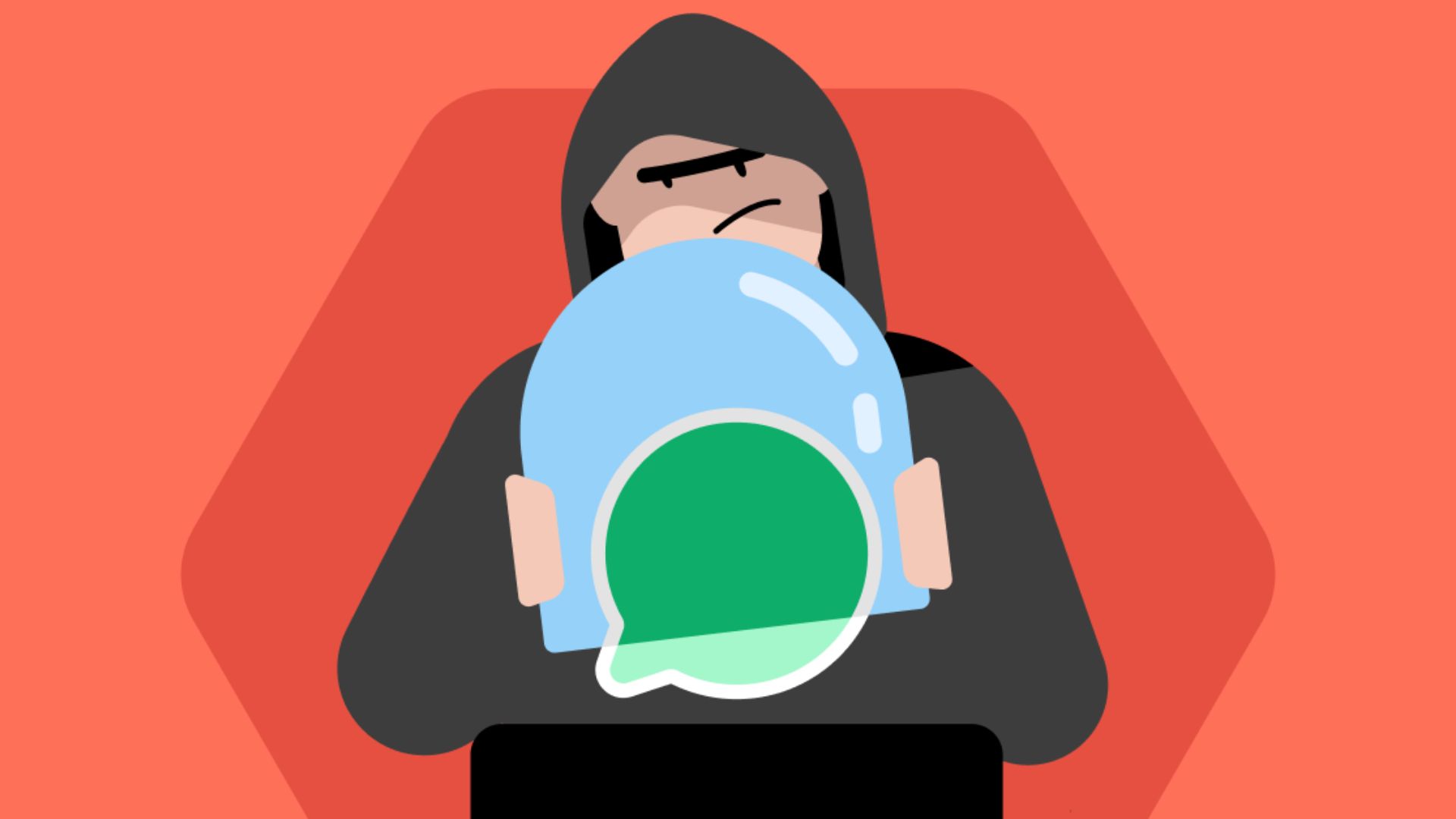
Online payments have made life faster and easier—just a few taps on your phone, and you can shop, pay bills, or transfer money instantly. But as convenience grows, so do the risks. Cybercriminals are constantly finding new ways to deceive users and steal their money. Here’s how you can stay alert and protect yourself from online fraud.
The Rise of Online Transactions
Digital technology has changed how we live, making nearly everything accessible through smartphones and the internet. Gone are the days when we relied only on cash—now, our whole wallet fits in an app. But this digital revolution also opened doors for scammers. They exploit users through fake messages, calls, and websites that look almost real. Knowing how these scams work is the first step to preventing them.
Smart Ways to Avoid Online Frauds
- Never share private details
Avoid revealing sensitive information such as your bank account number, OTP, ATM PIN, or Aadhaar number. Fraudsters often disguise themselves as bank employees or customer service agents. Remember—no legitimate bank will ever ask for your OTP or password. - Stay alert to fake messages
Be cautious of messages or emails claiming that your account is blocked or that you’ve won a contest. Clicking on suspicious links can lead to hacked accounts or malware on your device. Always verify such information directly from official sources. - Create strong passwords
Use passwords with a mix of letters, numbers, and symbols. For extra security, enable two-step verification for accounts like Gmail, Facebook, and your bank. - Check website authenticity
Before entering any personal or financial information, carefully look at the website’s URL. Fraudulent sites often mimic the names of real companies. When in doubt, type the web address manually or use official apps. - Avoid unbelievable offers
Tempting deals like “iPhone for ₹5,000” or “You’ve won ₹5 lakh” are often fake. If something looks too good to be true, it probably is. - Install apps only from trusted sources
Download applications only from official app stores like Google Play or Apple App Store. Avoid downloading APKs or apps from random websites—they may contain malicious software. - Be cautious on social media
If you find a fake profile in your name or receive messages asking for money, do not respond until you’ve verified the account. Hackers can easily impersonate friends or family members. - Monitor your bank notifications
Keep SMS and email alerts enabled to track all your transactions. Report any unauthorized activity to your bank right away. Educating both children and senior citizens about online safety is equally important—they are often the easiest targets.
Online safety starts with awareness. While the internet has brought convenience to our fingertips, one careless click can cost you heavily. Stay aware, double-check before sharing any detail, and always think before you tap.