Kashmir, renowned for its breathtaking landscapes and vibrant tourism, is facing an unprecedented security crisis. In the wake of a devastating terror attack in Pahalgam’s Baisaran Valley that claimed 26 lives, authorities have closed 48 out of 87 popular tourist destinations across the region. This sweeping measure comes after intelligence agencies warned of further threats to tourists and non-local residents.
Why Were Tourist Spots Closed?
The closures follow chilling intelligence reports indicating that militant groups are planning more targeted attacks as retaliation for recent crackdowns, including the demolition of terrorist hideouts. Sleeper cells are believed to have been activated in the valley, with instructions to target security forces and non-local individuals. The threat extends to railway infrastructure, prompting security agencies to restrict movement of railway staff and intensify patrols at vulnerable sites.
Which Locations Are Affected?
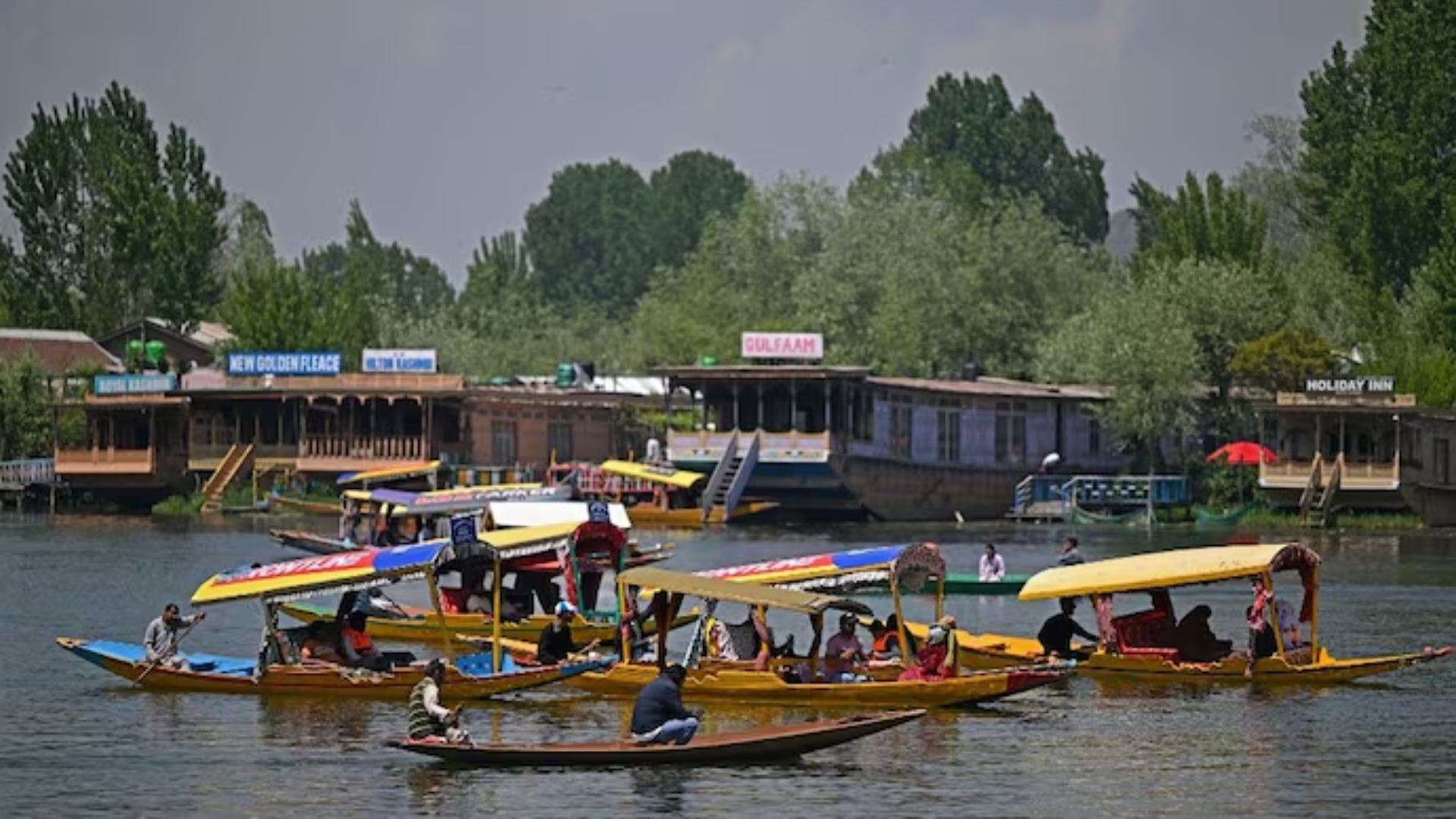
Some of the most beloved destinations now off-limits include Dooshpathri, Kokernag, Duksum, Sinthan Top, Acchabal, Bangus Valley, Margan Top, Tosamaidan, Astanpora, Kousarnag, Doodpathri, and Ringawali Tangmarg. Even the iconic Jamia Masjid in Srinagar and several trekking trails have been shut for visitors. Only locations with a strong security presence, such as Gulmarg, Sonamarg, and Dal Lake, remain open but under heightened surveillance.
The attack on April 22 sent shockwaves through the valley and the nation. Armed militants targeted tourists, separating and identifying them before opening fire. The brutality of the incident, which left 25 tourists and a local pony operator dead, has led to a mass exodus of visitors and a climate of fear. Survivors’ accounts detail how the attackers singled out individuals based on religion, further deepening the tragedy.
In response, anti-terror squads and special police units have been deployed to safeguard the remaining open destinations. Authorities have set up checkpoints and are conducting coordinated raids to track down those responsible. Hundreds of suspects and alleged sympathizers have been detained as part of a sweeping crackdown.
The National Investigation Agency (NIA) is leading the probe into the Pahalgam massacre, reconstructing the crime scene and questioning witnesses, including local workers and tourists who survived the ordeal.
The closure of nearly half of Kashmir’s tourist spots is a stark reminder of the region’s fragile security environment. While the government’s swift action aims to protect lives, it has also cast a shadow over the valley’s tourism-driven economy and the hopes of those who cherish Kashmir’s natural beauty. For now, safety remains the top priority as the region grapples with the aftermath of one of its deadliest attacks in recent memory.