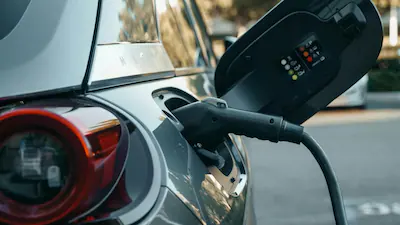
The Delhi government has released the first draft of the Delhi EV Policy 2.0, proposing a fresh set of incentives, tax waivers, and scrappage benefits to accelerate electric vehicle adoption in the national capital. The original Delhi EV policy was launched in 2020 for a 3‑year term but has been repeatedly extended; the new 2.0 framework aims to deepen the shift toward cleaner transport up to 2030. The government is now inviting public feedback on this draft before finalising it.
Three‑wheeler benefits
Under the draft, electric three‑wheelers (including passenger autos and cargo carriers) receive the highest direct incentives among EV segments:
- Up to ₹50,000 in benefits in the first year after the policy’s implementation.
- ₹40,000 in the second year and ₹30,000 in the third year.
- The policy also proposes a scrappage incentive of up to ₹25,000 for owners switching from older CNG autorickshaws to new electric three‑wheelers.
- Crucially, there is no cap on the ex‑showroom price of electric three‑wheelers, so higher‑end professional or cargo models still qualify for these incentives.
Two‑wheeler benefits
Electric two‑wheelers are another key focus, with both upfront support and battery‑based caps:
- Maximum benefits of up to ₹30,000 in the first year, ₹20,000 in the second year, and ₹10,000 in the third year from the policy’s launch.
- Incentives are also linked to battery capacity: capped at ₹10,000 per kWh in the first year, ₹6,600 per kWh in the second, and ₹3,300 per kWh in the third year.
- To keep the scheme affordable, the policy sets an upper limit on the ex‑showroom price of qualifying electric two‑wheelers at ₹2.25 lakh.
Electric cars and benefits
While two‑ and three‑wheelers get direct subsidies, benefits for electric cars are more limited:
- The draft does not propose direct purchase subsidies for electric cars but offers a full waiver of road tax and a zero registration fee for vehicles with an ex‑showroom price of up to ₹30 lakh.
- The benefit is capped at vehicles below this price ceiling; any EV priced above ₹30 lakh will not receive the tax waiver.
- The government has also signalled a special one‑time incentive of up to ₹1 lakh for the first 1 lakh customers who buy eligible electric cars and meet the policy’s conditions.
Hybrid cars and benefits
Delhi EV Policy 2.0 also extends a partial benefit to strong hybrid vehicles, albeit with a clear price cap:
- Hybrid car buyers can receive a 50 per cent waiver on road tax and registration fees, provided the ex‑showroom price does not exceed ₹30 lakh.
- This concession aims to encourage cleaner internal‑combustion alternatives while still favouring full EVs on the regulatory side.
Overall, the draft Delhi EV Policy 2.0 sharpens the city’s push toward electric mobility by combining graded incentives for two‑ and three‑wheelers, targeted tax relief for EV cars, and a limited carrot for hybrids—all under a structured pricing and time‑bound subsidy framework.