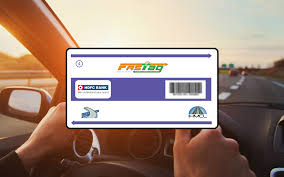
FASTag is India’s electronic toll collection system that uses Radio Frequency Identification (RFID) technology to automatically deduct toll charges as your vehicle passes through a toll plaza. Under National Highways Authority of India (NHAI) guidelines, the FASTag device must be permanently fixed on the vehicle’s windscreen so RFID readers can scan it smoothly. However, NHAI has noticed that some users are holding the tag in their hand instead of sticking it properly.
With new barrier‑free toll plazas and expanded highway projects, the authority is tightening enforcement. NHAI has publicly urged users to fix the FASTag correctly and has warned that failure to follow this rule can lead to FASTag blacklisting.
Why FASTag must be fixed on the windscreen
Mounting the FASTag on the windscreen is not just a suggestion—it is a key part of how the system works.
- Ensures smooth scanning:
When the tag is properly stuck on the windscreen, RFID readers at toll lanes can scan it even at low speed, without you needing to lower the window or stop. This keeps traffic moving and reduces queues and congestion. - Prevents misuse and fraud:
A fixed tag is tied to one specific vehicle. If people keep moving the same FASTag between cars (hand‑held use), it becomes easier to commit toll‑fraud. By requiring it on the windscreen, NHAI makes it harder to misuse the same tag across multiple vehicles. - Reduces processing issues:
If the tag is blocked, crumpled, or held low in the car (on your lap or in your hand), the system may fail to read it. This can lead to double‑toll charges, penalties, or even temporary FASTag suspension.
What happens if you don’t follow the rule?
NHAI has clarified that hand‑held use or improper fixing can attract action, including:
- Blacklisting of the FASTag, which means it will stop working at toll plazas.
- Possible re‑verification or KYC checks before it can be re‑activated.
- Risk of being treated as a non‑FASTag user, which may result in higher toll charges or manual‑payment delays.
Given that FASTag is now mandatory for most national‑highway travel, using it the right way protects you from avoidable fines and hassles.
How to use FASTag correctly
- Affix the FASTag on the windscreen at the recommended spot (usually near the top‑centre or as per the sticker’s instructions).
- Avoid removing or moving it between vehicles. Each vehicle must have its own registered FASTag.
- Keep the wallet balance adequate and check your status via your bank FASTag portal, the Rajmargyatra app, or the IHMCL/NETC site.
- If the tag is damaged or not working, get it replaced or re‑registered instead of trying to force a workaround.
FASTag Annual Pass and scam alert
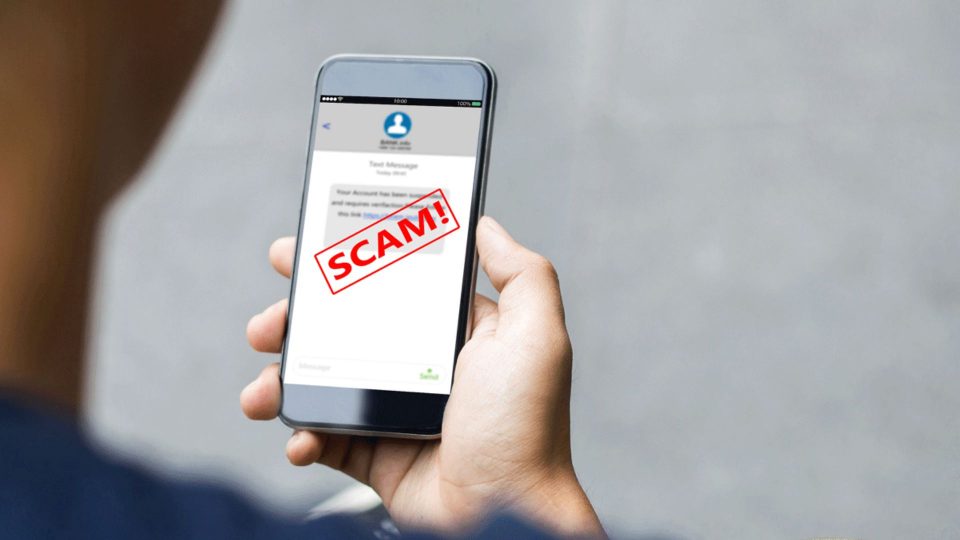
NHAI has also launched a FASTag‑based Annual Pass that offers a limited number of toll‑free crossings on national highways and expressways for a fixed yearly fee. However, the authority has detected fake websites that mimic genuine FASTag portals and trick users into paying for “annual passes” or “FASTag services.”
To stay safe, NHAI advises:
- Use only official government platforms, especially the Rajmargyatra app (NHAI’s official app), or the nhai.gov.in and related government portals.
- Check URLs carefully before entering any personal or payment details.
- Avoid sponsored or unknown links that appear in search results.
- Never share OTPs, card details, or login credentials on suspicious sites.
- If a website looks off (poor design, strange pop‑ups, or requests for unusual permissions), close it immediately.
The takeaway for drivers
FASTag is designed to make highway travel faster, safer, and more convenient, but it only works well when used correctly. Fixing the tag on the windscreen, using only one tag per vehicle, and avoiding fake websites will:
- Keep your FASTag active and blacklist‑free.
- Help you enjoy smooth, no‑stop toll journeys.
- Protect you from online scams and toll‑related penalties.
By following NHAI’s simple rules, you turn a routine highway trip into a smoother, safer, and more secure experience.